Eating and Drinking With Invisalign: Essential Tips

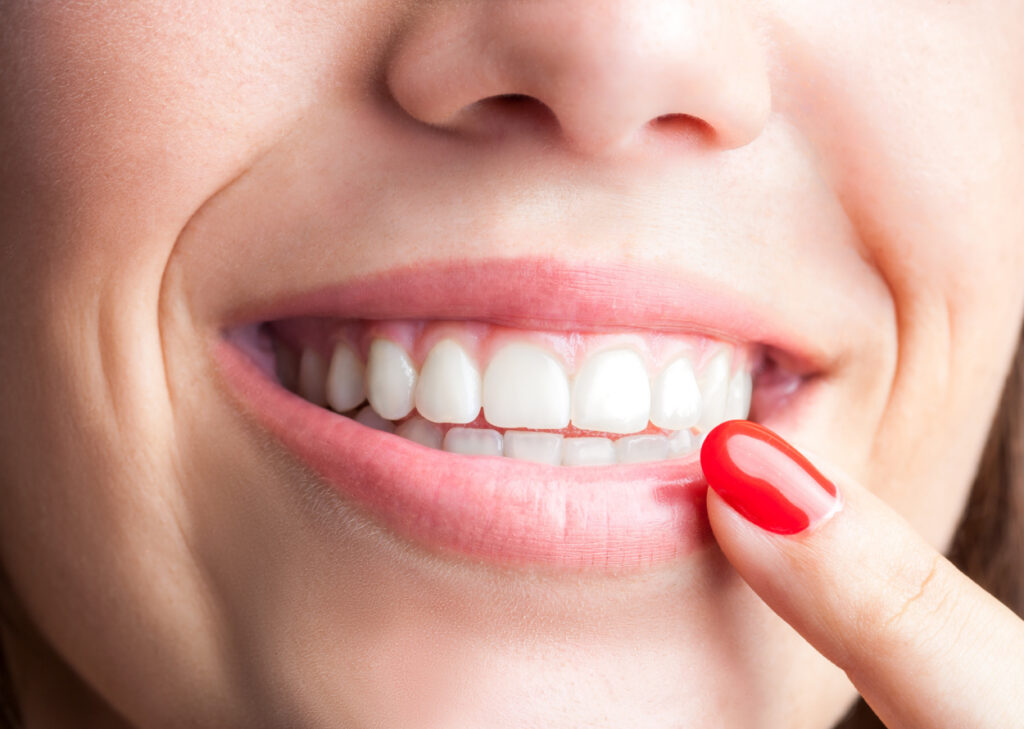
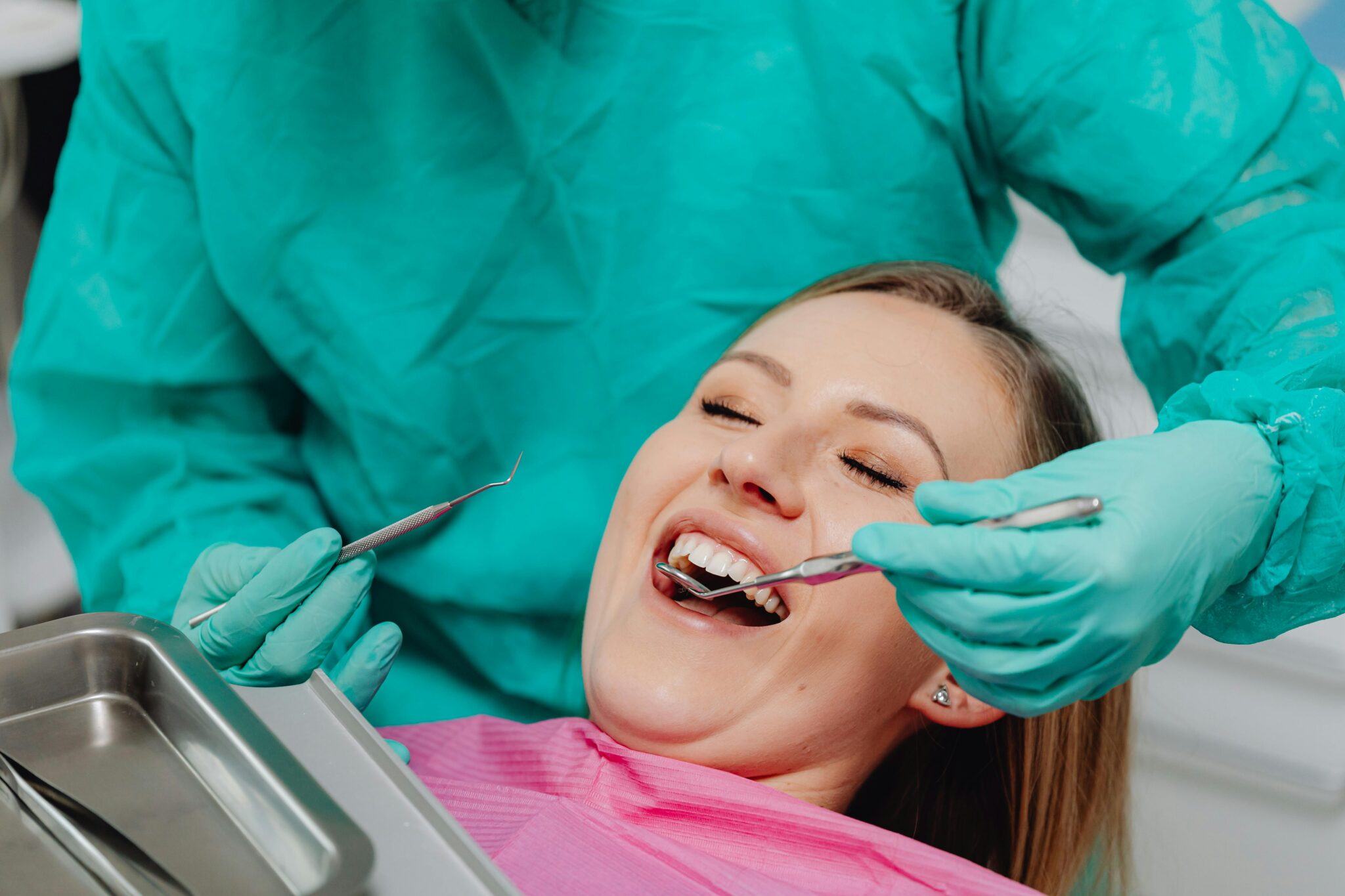
Choosing Invisalign often feels like a practical compromise. You want straighter teeth, but you do not want the look or routine of traditional braces. Then the first real-life question shows up almost immediately: what exactly happens at mealtimes?
That is where many patients discover that aligner treatment is not difficult, but it is specific. Eating and drinking with Invisalign asks for a few new habits, and those habits matter more than people expect. Most problems during treatment do not come from the trays themselves. They come from small daily decisions, repeated over weeks, that affect staining, fit, comfort, and progress.
The good news is that once the rhythm becomes familiar, it usually feels manageable. You learn what is worth removing the aligners for, what can wait, what belongs in your travel kit, and how to keep a quick coffee or snack from turning into a setback. The details make the difference.
The basic rule is simple, but the reality has nuance
The standard advice is straightforward: remove your Invisalign aligners before eating, and in most cases remove them before drinking anything other than plain water. That rule exists for good reason.
Aligners are made from clear plastic designed to fit closely over your teeth and guide movement gradually. Eating while wearing them can crack or warp the trays. Even if they do not break, chewing places stress on the plastic in ways it was not built to handle. Food also gets trapped between the aligner and teeth, which creates a less-than-ideal environment for plaque, staining, and irritation.
Drinks are a little more complicated. Cold plain water is generally fine with aligners in place. It does not stain, it does not feed bacteria, and it does not distort the trays. Most other drinks are different. Coffee, tea, red wine, soda, sports drinks, fruit juice, and even flavored sparkling water can all create issues. Some stain. Some are acidic. Some are sugary. Many do all three.
People sometimes push back on this because they are used to casual sipping throughout the day. That is probably the biggest lifestyle adjustment with Invisalign. Treatment works best when aligners are worn 20 to 22 hours a day, so the day cannot turn into a long series of tray-free moments. But it also does not work well if you constantly bathe your teeth in sweet or acidic liquids under the trays. Finding a realistic middle ground is part of doing treatment well.
Why food and drink habits affect your results more than you might think
There is a tendency to think of aligners as passive, almost like a removable accessory. They are not. Each tray is an active appliance, and each hour matters. If you leave them out too long for leisurely meals, frequent snacks, or all-day drinks, teeth may not track as planned. That can lead to tighter tray changes, discomfort, refinements at the end of treatment, or a timeline that stretches longer than expected.
I have seen this pattern often enough to call it predictable. Someone starts with strong motivation. Then coffee becomes the exception, then the afternoon iced tea becomes another exception, then weekend brunch runs long, and by the third or fourth set of trays they are wearing them closer to 17 or 18 hours instead of 22. The change seems minor in the moment. Over a month, it is not minor.
There is another side to this as well. Some patients become so anxious about wear time that they rush meals, skip hydration, or avoid social situations. That is not ideal either. Good Invisalign habits should support treatment without making life miserable. The aim is consistency, not perfection.
What happens if you eat with Invisalign in
The short answer is that it is not recommended, and with very few exceptions, it is a bad idea.
Chewy foods can pull at the trays. Crunchy foods can crack them. Hot foods can distort the plastic. Oily or strongly pigmented foods can stain the aligners quickly. Even soft foods create residue that gets trapped inside the trays, often along the edges or around attachments. Once that residue sits against the teeth, bacteria have a head start.
There is also the comfort factor. Most people who try eating with aligners in describe it as awkward at best and unpleasant at worst. The pressure feels odd, the aligners may flex, and the food texture becomes more noticeable in an unhelpful way. It is one of those shortcuts that rarely feels worth it.
If someone does accidentally take a bite or two before remembering, it is usually not a disaster. The sensible move is to remove the trays, rinse them, brush if possible, and inspect them for any warping or cracks. Repeatedly eating with them in is the real problem.
Drinking is where most of the confusion happens
People usually understand the rule about meals. Drinks are murkier because drinking often feels harmless. A latte on the commute, a sports drink after the gym, a glass of white wine at dinner, herbal tea before bed. None of these seem as significant as lunch or dinner, yet they can have a bigger cumulative effect.
Temperature matters. Very hot drinks can alter the shape of the aligners, even if the change is subtle. A tray does not have to visibly melt to stop fitting exactly the way it should. Small distortions can affect comfort and tooth movement.
Sugar matters. If a drink contains sugar and you sip it with aligners in, some of that sugar can sit between the plastic and your enamel. Acid matters too. Soda, citrus drinks, kombucha, energy drinks, and many flavored waters create an acidic environment that is hard on teeth. When aligners hold those liquids against the enamel, the risk is not theoretical.
Color matters as well. Coffee and tea are famous for staining, but they are hardly alone. Turmeric drinks, red wine, cola, berry smoothies, and some vitamin powders can all discolor trays. Clear aligners only look invisible when they stay clear.
A practical rule works well here: if a drink is hot, sweet, acidic, dark, or strongly flavored, take the aligners out.
Coffee deserves its own section
Coffee is the beverage most likely to test a patient’s discipline. It is also where rigid advice often fails, because many adults are not giving it up for the sake of orthodontics.
The cleanest approach is to remove your Invisalign, drink your coffee within a defined period rather than sipping for hours, rinse your mouth with water, and brush before putting the trays back in if you can. If brushing is not possible, a thorough rinse is better than nothing, though not as good as brushing.
What usually causes trouble is the “slow coffee morning” pattern. Someone removes their trays at 7:30, takes a few sips, gets distracted, refills the mug, heads to work, and suddenly the aligners have been out for 90 minutes before breakfast even starts. From a treatment standpoint, that adds up fast.
I often suggest that coffee drinkers compress the habit rather than abandon it. Have the coffee, enjoy it, but make it part of a meal or a short break instead of an all-morning event. That one adjustment can rescue wear time without much sense of deprivation.
Some patients ask if iced coffee is safer because it is not hot. Temperature is only one issue. If it contains milk, syrup, sugar, or dark coffee pigments, you still have the problems of staining and trapped residue. Black iced coffee is not harmless just because it is cold.
Snacking becomes more deliberate, which is not always a bad thing
One understated effect of Invisalign is that it tends to reduce mindless snacking. Since every snack means removing trays, storing them, eating, cleaning up, and putting them back, people often become more intentional about when they eat.
That can be a pleasant surprise. Many patients end up consolidating food intake into real meals rather than grazing all day. From a wear-time perspective, that is excellent. From a dental hygiene perspective, it helps too. Fewer eating episodes usually mean fewer moments when sugars and acids hit the teeth.
Of course, not everyone can organize the day around three neat meals. Shift workers, students, athletes, and parents with chaotic schedules may need flexibility. In those cases, the key is planning. Carrying a small case, a travel https://medium.com/@omnidentalspecialty/about toothbrush, and a toothpaste tube makes the routine far easier. Treatment becomes frustrating when you depend on ideal conditions that rarely exist.
The after-meal routine that keeps treatment on track
The ideal routine after eating is not complicated, but doing it consistently matters more than buying fancy cleaning products. Here is the version that works in ordinary life:
- Remove the aligners before the meal and place them in their case, not in a napkin.
- Eat and drink normally while the trays are out.
- Rinse your mouth with water after finishing, then brush and floss if practical.
- Rinse the aligners separately with lukewarm water and check for buildup.
- Put the aligners back in as soon as your teeth are clean enough and your meal is truly over.
That routine prevents the two most common problems: lost trays and dirty re-insertion. Napkins are a classic trap. So are pockets, car cup holders, and random countertop corners. More aligners are thrown away at restaurants than people like to admit.
If you cannot brush, rinsing well is the next best move. Swishing water around the mouth for several seconds helps remove food particles and dilute acids or sugars. It is not a replacement for brushing, but it is useful in the real world.
What to do at restaurants, work events, and parties
Social settings are where people often feel self-conscious. They do not want to disappear into the restroom with a toothbrush, and they definitely do not want to fiddle with aligners at the table in front of colleagues or clients.
The easiest solution is discretion and preparation. Excuse yourself briefly, remove the trays in the restroom or another private space, and store them in a proper case. After the meal, if brushing is not practical, rinse well and reinsert them when you can. A quick bathroom stop is less awkward than people imagine. Most of the time, nobody notices.
Work events bring a separate challenge because they often involve long stretches of coffee, cocktails, or hors d'oeuvres. These occasions are where priorities need to be clear. If you have one networking event in a month and your aligners are out a bit longer than usual, treatment will probably survive it. If events like that happen three times a week, you need a tighter system.
A useful mental rule is to choose your exceptions instead of letting them choose you. Planned flexibility is manageable. Constant improvisation tends to erode compliance.
Attachments make food habits slightly trickier
Many Invisalign patients have attachments, the small tooth-colored shapes bonded to certain teeth to help the trays apply force. These attachments can catch food more easily, especially in the first days after they are placed. Salad leaves, bread, soft meats, and fibrous foods sometimes snag in ways that feel unfamiliar.
That does not mean you need a special diet. It just means checking your teeth after meals becomes more important. A quick mirror glance after lunch can save you from walking around with spinach caught around an attachment for hours.
Attachments can also make tray removal feel awkward at first. Some people respond by postponing meals because they dread taking the trays out. Usually this improves within a week or two as technique develops. Starting removal from the back teeth often helps. If it remains difficult, your provider can show you a better method or suggest a removal tool.
Oral hygiene matters more during Invisalign, not less
There is a common assumption that because Invisalign is removable, oral hygiene is easier and therefore less urgent than with braces. Easier, yes. Less urgent, no.
Aligners cover the teeth for most of the day. If food debris or plaque stays on the enamel when the trays go back in, you are effectively sealing that material in place for hours. That increases the risk of bad breath, plaque buildup, gum irritation, and cavities. People who rarely had dental issues before treatment can be surprised by how fast neglect shows up.
Brushing after meals is ideal. Flossing at least once daily is non-negotiable. Cleaning the aligners themselves also matters. Rinsing alone is not always enough to remove the cloudy film that develops over time. A gentle brush with a soft toothbrush and clear, mild soap often works well. Toothpaste can be too abrasive for some trays and may scratch them, which makes them look duller and hold stains more easily.
Hot water is a mistake worth emphasizing. It can warp the plastic. Use cool or lukewarm water only.
A few food and drink situations that catch people off guard
Not every problem is obvious. There are a handful of habits that seem harmless but regularly create issues during Invisalign treatment.
Chewing gum is one. Even sugar-free gum should be avoided with aligners in. It sticks, distorts, and leaves residue. Gum without aligners is usually fine unless your dentist or orthodontist has said otherwise, but it should not substitute for brushing.
Alcohol is another. Clear spirits are less likely to stain than red wine or dark cocktails, but mixers often contain sugar and acid. Dryness from alcohol can also make the mouth feel less comfortable with trays in place. If you are drinking for an evening, it is better to be deliberate than casual. Decide when the aligners are coming out and when they are going back in.
Protein shakes and smoothies often surprise health-conscious patients. They feel more like nutrition than snacking, but from an Invisalign standpoint they behave like a meal or drink with residue. If they contain fruit, dairy, powder, nut butter, cocoa, or sweeteners, remove the trays.
Finally, late-night eating can create a lazy moment. Someone has a snack, feels tired, promises to brush in ten minutes, and falls asleep with trays sitting on the nightstand or goes to bed after putting them back in without cleaning. That habit can undo a lot of good effort elsewhere.
When life gets messy, aim for the best available option
Perfect compliance is not realistic for everyone, every day. Flights get delayed. Meetings run long. Kids get sick. You forget the travel toothbrush. The right response is not to abandon the routine. It is to use the best available option.
If you cannot brush, rinse thoroughly. If you cannot rinse properly, at least drink plain water to help clear the mouth before reinserting. If your aligners have been out longer than planned, put them back in the moment you can rather than writing off the rest of the day. If one difficult day happens, recover quickly the next.
This approach matters psychologically. People often slide when they treat one imperfect choice as permission for a whole imperfect week. Invisalign rewards steady competence far more than occasional perfection.
Signs your eating and drinking habits may be causing problems
Sometimes patients do not realize their routine needs adjustment until there are visible consequences. A few warning signs are worth taking seriously:
- Your aligners look yellow, cloudy, or stained much earlier than expected.
- You notice persistent bad breath or a sour taste soon after putting trays back in.
- New trays feel dramatically tighter than usual or do not seem to seat fully.
- You are frequently leaving trays out for long stretches during meals or drinks.
- Your teeth or gums feel more sensitive, irritated, or harder to keep clean.
None of these signs automatically means treatment is failing, but they usually signal that daily habits need a closer look. A short conversation with your provider can often solve the issue before it turns into delayed progress or dental trouble.
The habits that make Invisalign feel easy
The patients who do best with Invisalign are not necessarily the most disciplined in a rigid sense. They are the ones who simplify the routine. They eat real meals, minimize casual sipping, carry what they need, and put the trays back in promptly. They do not negotiate with themselves twenty times a day.
There is also a practical mindset shift that helps. Instead of asking, “Can I get away with this drink while wearing my aligners?” ask, “What keeps treatment moving with the least hassle overall?” That question usually leads to better choices. The goal is not to test the limits of the trays. It is to make daily life predictable enough that your teeth keep moving on schedule.
For most people, the learning curve lasts a couple of weeks. After that, the process becomes routine. You stop losing time to indecision. Meals feel normal again. Coffee finds a new place in the day. Social events become manageable. And the aligners do what they are meant to do, quietly, provided you respect the small rules that support the larger result.
Eating and drinking with Invisalign is less about restriction than about timing, cleanliness, and consistency. Get those three right, and treatment usually feels far more straightforward than it does on day one.
Omni Dental Specialty
Address: 1690 E Gonzales Rd, Oxnard, CA 93036
Phone number: +18053666000
FAQ About Invisalign
How much does Invisalign actually cost?
The out-of-pocket cost for Invisalign typically ranges between $3,000 and $8,000, with most patients paying a national average of roughly $5,100 to $5,700 before insurance.
What is the downside to Invisalign?
The biggest downsides to Invisalign are the intense discipline required to wear the trays 22 hours a day, the inconvenience of removing them to eat or drink, and the inability to fix severe, complex orthodontic issues.
Is $5000 a lot for Invisalign?
No, $5,000 is not considered a lot for Invisalign; it is exactly the national average. Treatment costs typically fall between $3,000 and $8,000, and $5,000 is the standard fee for a moderately complex case that takes 6 to 18 months to complete.