How Parents Can Handle a Child’s Dental Emergency in Bakersfield CA

A child’s dental emergency has a way of turning an ordinary day upside down. One minute your son is racing across the playground, the next he is crying with a hand over his mouth. A daughter wakes up at 2 a.m. With swelling along her cheek and pain bad enough to keep everyone in the house awake. In those moments, parents do not need vague advice. They need calm, practical guidance and a clear sense of what matters first.
Dental emergencies in children are common, and many of them happen during perfectly normal activities, sports practice, bike rides, roughhousing with siblings, popcorn at the movies, or simply biting down on something harder than expected. Bakersfield families also deal with long, hot days, busy schedules, and the challenge of figuring out quickly whether a problem can wait for a regular appointment or needs same-day care from an Emergency Dentist Bakersfield CA parents can trust.
The first priority is not perfection. It is stabilizing the situation, easing your child’s fear, and protecting the tooth and surrounding tissue until professional treatment is available. Parents who know what to do in the first 10 to 15 minutes usually put their child in a much better position, especially when a permanent tooth is knocked out, a tooth is displaced, or swelling points to a spreading infection.
The first thing to remember, stay calm enough to be useful
Children take emotional cues from the adults around them. If you panic, they usually panic harder. That does not mean you need to act detached or robotic. It means you should slow your breathing, speak plainly, and focus on simple actions.
I have seen parents do a lot of things right just by changing the pace of the moment. They sit their child down, get a clean cloth, check for bleeding, and ask what happened without firing five questions at once. That kind of calm matters. A frightened child may not tell you clearly whether the pain started before the fall, whether the tooth was loose already, or whether he swallowed a tooth fragment. Small details help the dental team decide what needs to happen next.
If there is heavy bleeding that does not ease with steady pressure, trouble breathing, loss of consciousness, vomiting after head trauma, or a suspected broken jaw, that is not only a dental problem. That requires urgent medical evaluation right away, usually at an emergency room.
Not every dental problem is an emergency, but some definitely are
Parents often second-guess themselves. They worry about overreacting, especially if the injury happens after office hours. The better question is not, “Is this the worst thing that could happen?” It is, “Could waiting make this harder to treat or more painful?”
A chipped baby tooth may be uncomfortable but not always urgent the same way a knocked-out permanent tooth is urgent. Mild sensitivity from a loose orthodontic wire is inconvenient, but facial swelling from an abscess can become serious fast. A child who cracked a tooth and can still eat soft foods may still need same-day attention if the crack reaches the nerve.
The cases that most often deserve prompt evaluation include permanent teeth that are knocked out, pushed out of position, broken with visible pink or red tissue, significant swelling, fever with tooth pain, uncontrolled bleeding, and pain severe enough to stop eating or sleeping. Younger children can be harder to assess because they do not always describe pain accurately. Sometimes the red flag is behavioral. They stop chewing on one side, refuse a favorite snack, drool more than usual, or suddenly become clingy and irritable.
What to do in the first few minutes
These immediate steps help in most pediatric dental emergencies:
- Seat your child upright, stay calm, and check the mouth gently for bleeding, missing teeth, swelling, or obvious debris.
- Use clean gauze or a clean cloth to apply light pressure to bleeding areas, and place a cold compress on the outside of the face for swelling.
- If a permanent tooth has been knocked out, pick it up by the crown, not the root, rinse it briefly with clean water if dirty, and call a dentist immediately.
- If there is a broken tooth, save any fragments in a clean container and bring them with you.
- Call a dental office that offers urgent care and describe exactly what happened, when it happened, and whether the tooth is a baby tooth or a permanent tooth.
That third point is one of the most important distinctions a parent can learn. If a permanent tooth is knocked https://edwinyjgq821.iamarrows.com/emergency-dentist-bakersfield-ca-for-same-day-toothache-treatment out, time matters tremendously. If a baby tooth is knocked out, you generally do not try to put it back in because you can injure the developing permanent tooth underneath. Parents who do not know which teeth are permanent often feel stuck, but there is a rule of thumb. Many children begin getting permanent front teeth around age 6 to 7. By age 8 or 9, a knocked-out upper or lower front tooth is often permanent, though not always.
A knocked-out tooth is the true race against the clock
When a permanent tooth comes all the way out, the root surface contains delicate cells that affect whether the tooth can successfully reattach. The longer those cells dry out, the lower the chance of saving the tooth. That is why dentists treat avulsed permanent teeth, the clinical term for knocked-out teeth, as one of the most time-sensitive dental injuries.
If your child is old enough and calm enough, and you are confident it is a permanent tooth, a dentist may instruct you to gently place the tooth back into the socket right away. That can feel intimidating, and not every parent is comfortable doing it. If reimplantation is not realistic, the next best option is to keep the tooth moist. Milk is often recommended because it is gentler on the root surface than plain water. Saline can work too. Some tooth preservation products exist, but most families do not have them on hand during a real emergency. Wrapping the tooth dry in tissue is one of the worst choices because it speeds damage to the root surface.
A common mistake is scrubbing the root to “clean it.” Do not do that. A quick rinse is enough if dirt is visible. Handle the tooth by the chewing end, not the root.
In Bakersfield, where families may be driving in from school, sports fields, or outlying neighborhoods, travel time to care can vary. That makes the phone call especially important. Tell the office that the tooth is fully knocked out and ask whether they can see your child immediately. Good emergency triage starts on the phone.
Chipped and broken teeth, sometimes minor, sometimes not
A chipped tooth can look dramatic because the mouth bleeds easily, even with small cuts to the lips or gums. The appearance alone does not always tell you how urgent the problem is. A tiny chip with no pain may only need smoothing or bonding later. A larger fracture with sensitivity to air, bleeding from the center of the tooth, or sudden sharp pain needs faster evaluation.
If you can find the broken piece, bring it. Occasionally, especially with clean fractures in front teeth, a dentist may be able to bond the original fragment back in place. Even when that is not possible, the fragment helps the dentist understand the pattern of the break.
Children with broken teeth often also have soft tissue injuries. Check the lips and cheeks for cuts. In some cases, the tooth fragment is embedded in the lip after a fall. If swelling is significant or the lip wound is deep, a dentist or physician may recommend imaging or further treatment.
One practical point many parents miss is hydration and food. Until your child is seen, stick with cool water and soft foods if they can tolerate them. Avoid very hot drinks, crunchy foods, and anything acidic, which can intensify pain when the tooth’s inner layers are exposed.
Toothaches are easy to underestimate
A sudden toothache can be caused by a cavity, infection, trauma, a loose filling, erupting teeth, food trapped between teeth, or even sinus pressure in older children. The challenge is that children often do not show the severity clearly until they are miserable.
If your child has dental pain without visible trauma, rinse gently with warm water and check for food stuck between teeth. Floss carefully if your child will allow it. Do not place aspirin directly on the gum, even though that old home remedy still circulates. It can irritate or burn the tissue. Age-appropriate pain medicine may help, but it does not replace treatment if the pain is severe, persistent, or associated with swelling.
Swelling changes the picture. A puffy gum near one tooth may suggest a localized infection. Swelling that spreads into the cheek, under the eye, or toward the jaw deserves urgent attention. Add fever, lethargy, trouble swallowing, or a bad taste draining into the mouth, and the situation moves up the urgency scale. Dental infections in children can progress quickly, particularly if the source is a deep cavity in a baby molar that had been hurting off and on for days.
Baby teeth matter more than many people think
Some parents assume a baby tooth can be ignored because it will fall out eventually. In reality, baby teeth hold space for permanent teeth, support clear speech, help with nutrition, and guide jaw development. An injured or infected baby tooth can affect the underlying permanent tooth if the problem is severe.
That said, baby teeth are not managed exactly like permanent teeth. Dentists often make different decisions about stabilization, extraction, and monitoring based on your child’s age and how close the tooth is to naturally exfoliating. A toddler who bumps a front baby tooth may only need observation if the tooth is not interfering with the bite and there are no signs of deep injury. A preschooler with a darkening front tooth after trauma might need follow-up over time, not necessarily immediate aggressive treatment. This is where professional judgment matters. The same injury can be managed differently depending on age, root development, pain level, and X-ray findings.
Sports, playgrounds, and the injury patterns parents see most
In real life, pediatric dental emergencies tend to follow familiar patterns. A basketball elbow often chips an upper front tooth. A trampoline collision can loosen or displace a tooth. A scooter or skateboard fall may injure teeth and lips together. Younger kids often fall forward while running, which means the front teeth take the impact first.
Orthodontic emergencies also deserve a mention. A loose bracket or poking wire is usually not dangerous, but it can become very uncomfortable. Orthodontic wax can help temporarily. If a wire is cutting the cheek and you cannot stabilize it, call your orthodontist or dentist for advice. Do not attempt major adjustments with household tools unless you have specific instructions.
Mouthguards reduce risk, but many children resist them unless parents insist. Custom mouthguards generally fit and protect better than stock versions sold at sporting goods stores, though something is better than nothing. If your child plays contact sports or activities with collision risk, prevention matters more than most families realize until after the first injury.
When a visit to the emergency room makes more sense than waiting for the dentist
Parents sometimes get mixed messages about where to go. A dental office is often the right destination for tooth injuries, dental pain, and many oral infections. An emergency room is the right place when the dental issue comes with broader medical danger.
Seek emergency medical care if your child has severe facial trauma, possible jaw fracture, difficulty breathing, difficulty swallowing, a rapidly spreading infection, uncontrolled bleeding, or symptoms of concussion after a blow to the face. A dentist can handle many urgent oral issues, but an ER is better equipped for airway concerns, sedation in complex trauma, imaging for facial fractures, and stabilization when multiple injuries are involved.
That distinction is especially relevant after sports injuries and car accidents. A chipped tooth may be the least important part of the picture if there is neck pain, dizziness, or facial asymmetry.
Calling an Emergency Dentist Bakersfield CA parents can rely on
When you make the call, the quality of information you give can speed care. Tell the office your child’s age, what happened, when it happened, whether there is swelling or bleeding, whether the tooth is loose or missing, and whether the child has fever or trouble swallowing. Mention any relevant medical conditions, allergies, and medications. If your child has special healthcare needs or sensory issues, say that too. Offices that treat children well can often adjust their approach when they know ahead of time.
Photos can be useful if the office requests them. A clear image of a displaced tooth, swelling, or a broken front tooth may help the team decide whether to bring your child in immediately, refer you elsewhere, or advise a temporary step before arrival.
Bakersfield parents may also need to think about logistics. If one parent is driving, another can call the office, gather insurance information, and locate any tooth fragments. If you are coming from school or practice, ask the coach or school staff exactly how the injury occurred. “He fell” is less useful than “He was hit in the mouth by another child’s head and the tooth moved backward.”
What helps to have ready before you leave the house
A few simple items make a genuine difference during a dental emergency:
- Clean gauze or a clean washcloth for bleeding.
- A small container with a lid for tooth fragments or an avulsed tooth.
- Cold packs or a bag of ice wrapped in cloth.
- Your child’s medical and dental insurance information.
- A current list of medications and allergies.
Most families do not think about these items until they need them. Keeping them in one place, even just in a kitchen drawer or hall cabinet, saves time when your child is crying and everyone is moving fast.
What treatment may look like once you arrive
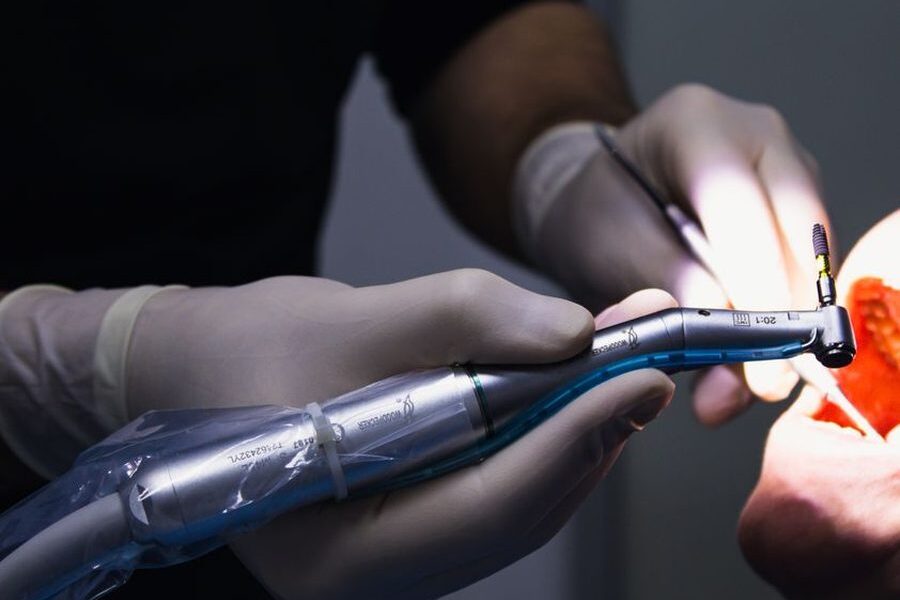
Parents often feel better when they know what to expect. Emergency pediatric dental visits usually begin with a focused exam, not a long appointment. The dentist will ask how the injury happened, assess pain, check the bite, inspect soft tissues, and often take X-rays if the child can cooperate. Treatment may be as simple as smoothing a sharp edge, prescribing follow-up, or placing a temporary protective material over an exposed area. In other cases, the tooth may need repositioning and splinting, a pulp treatment, extraction, or referral to a pediatric dental specialist or endodontist.
Sometimes the first visit is about stabilization, not a perfect cosmetic result. That is especially true after trauma. A badly fractured front tooth may get a temporary protective restoration first, with definitive treatment later after the tooth’s vitality is monitored. Parents can find this frustrating because they want everything fixed immediately, but staged treatment is often the safest approach.
Pain control also varies with the child’s age, anxiety level, and the complexity of treatment. Some children do surprisingly well with local anesthetic and patient coaching. Others need a pediatric-focused office that is comfortable managing fear, movement, and sensory overload. The best emergency care is not only technically sound, it is delivered in a way the child can tolerate.
Aftercare at home matters more than people expect
The trip home is not the end of the emergency. The first few days after treatment influence comfort and healing. Your child may need a soft diet, usually things like yogurt, scrambled eggs, pasta, mashed potatoes, smoothies, or soups cooled to a comfortable temperature. Good oral hygiene still matters, but it may need to be gentler around the injured area. Some dentists recommend a soft toothbrush and careful rinsing.
Watch for changes that should prompt a follow-up call, such as increasing pain, new swelling, color change in the tooth, drainage from the gums, trouble biting, or fever. After trauma, a tooth can seem fine at first and still develop nerve problems weeks or months later. That is one reason dentists schedule rechecks after certain injuries.
Parents should also prepare for the emotional side. Some children become anxious about eating, brushing, or returning to sports after a painful dental injury. Reassurance helps, but specifics help more. Tell them what will happen next, how long soreness may last, and what signs mean things are healing normally.
Prevention is less glamorous than emergency care, but it works
The most useful prevention tends to be ordinary and consistent. Mouthguards for sports. Seat belts every time. No running with objects in the mouth. Regular dental visits that catch cavities before they become abscesses. Teaching children not to use teeth to open packaging, bite ice, or crack hard candy.
Home habits matter too. A child with untreated decay is more likely to have a painful dental emergency that seems to come out of nowhere, even though the problem has been building for months. Small cavities rarely create midnight panic. Deep cavities do.
For families with very young children, one overlooked issue is falls from furniture or countertops. Toddlers are top-heavy, fast, and unpredictable. Many first dental injuries happen in the home, not on a field. It only takes a quick climb onto a chair near a hard floor.
The judgment call parents make best
No parent gets every decision perfect in a stressful moment. The goal is not flawless triage. It is making a solid judgment call with the information you have. If your child has visible trauma, significant pain, swelling, or a knocked-out permanent tooth, do not wait and hope it settles down on its own. Reach out promptly to an Emergency Dentist Bakersfield CA families can access quickly, and be ready to pivot to medical emergency care if breathing, swallowing, heavy bleeding, or head injury enters the picture.
Children recover well when adults respond quickly and sensibly. A calm voice, a clean cloth, a cold pack, the right phone call, and a basic understanding of what is urgent can turn a chaotic few minutes into a manageable plan. That is what helps most when a dental emergency interrupts the day. Not panic, not guesswork, just steady action at the right time.
Smyle Dental Bakersfield
2016 E St, Bakersfield, CA 93301, United States
+16614939040
FAQ About Emergency Dentist Bakersfield CA
What counts as a dental emergency?
Severe tooth pain, facial swelling, uncontrolled bleeding, a knocked-out or displaced tooth, and significant dental trauma may need prompt assessment. Trouble breathing or rapidly increasing swelling requires urgent medical help.
What should I do if a permanent tooth is knocked out?
Handle the tooth by the crown rather than the root, keep it moist, and contact a dentist immediately. Fast treatment can improve the chance of saving the tooth.
Can an emergency dentist treat severe tooth pain the same day?
Same-day care may be available depending on the cause and schedule. The dentist will examine the area, may take digital X-rays, and recommend treatment based on the diagnosis.
Should I go to the emergency room for dental swelling?
Seek urgent medical care for trouble breathing, difficulty swallowing, rapidly spreading facial swelling, or other severe symptoms. A dentist can assess the underlying dental cause and provide appropriate follow-up care.