How to Find a General Dentist That Fits Your Needs
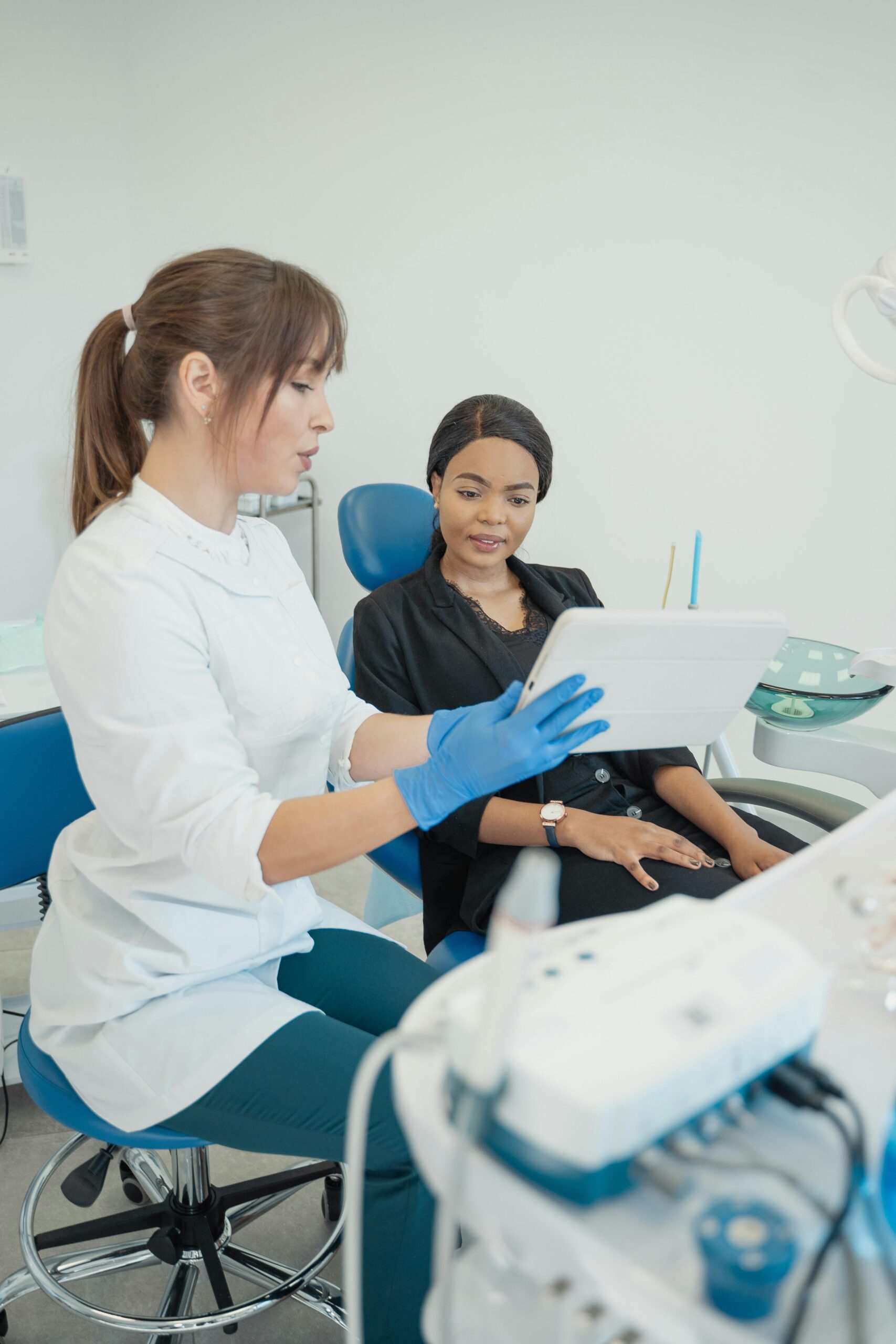
Finding a general dentist is not just a matter of typing a zip code into a search bar and picking the first name that appears. Dentistry is personal. The person who examines your mouth, explains treatment, and works inches from your face needs to be clinically sound, yes, but also steady, clear, and respectful. A good fit can make routine care feel manageable and preventive. A poor fit can turn even a simple cleaning into something you put off for years.
Most people do not realize how much variation exists from one general dentist to another until they have had a few different experiences. Two offices may both offer exams, cleanings, fillings, crowns, and emergency visits. Yet one feels organized and transparent, while the other feels rushed, vague, or sales-driven. One dentist may be excellent with anxious patients. Another may be technically strong but poor at communication. Neither reality shows up fully on a glossy website.
The challenge is not simply finding a licensed professional. It is finding a practice that matches your priorities, your budget, your schedule, and your comfort level. That takes a bit of judgment. It also helps to know what to look for before you are sitting in the chair with a bib clipped around your neck.
Start with your real needs, not an idealized list
People often begin the search with broad questions, usually about location or insurance. Those matter, but they are not the whole picture. The better starting point is your actual dental situation.
If you have not been to a dentist in five years and you know you are nervous, your first priority may be a calm office that does not shame patients for delays in care. If you have several old crowns, a history of root canals, or frequent gum issues, you may want a general dentist who is especially experienced in restorative and long-term maintenance work. If you have a child who needs family scheduling, office hours and efficiency may matter almost as much as clinical skill.
This sounds obvious, but many people choose based on convenience alone and only later realize the office does not suit them. A twenty-minute longer drive can be worth it if the dentist explains treatment well, runs on time, and has a hygienist who notices early gum changes before they become expensive problems.
It helps to ask yourself a few practical questions before you start calling around.
- Do I mainly need preventive care, or do I expect more involved work soon?
- Am I anxious about treatment, needles, cost, or all three?
- Do I need evening hours, weekend availability, or fast emergency access?
- Is staying in-network essential, or would I consider paying more for a better fit?
- Do I want a small private office, or do I prefer a larger practice with more scheduling flexibility?
Those answers create a filter. Without that filter, every office starts to look the same.
Understand what a general dentist actually does
A general dentist is usually the first stop for oral health care. They handle routine exams, x-rays, cleanings in coordination with hygienists, fillings, crowns, bridgework, preventive education, and often urgent issues such as chipped teeth or tooth pain. Many also provide night guards, simple extractions, and cosmetic services like whitening. Some general dentists offer more advanced procedures, while others refer out sooner to specialists.
That distinction matters. A dentist who keeps more procedures in-house can be convenient. It can also be beneficial if they have a strong track record and the case is straightforward. On the other hand, a dentist who knows their limits and refers thoughtfully is often showing good judgment, not weakness. If you need implants, complex orthodontics, advanced periodontal surgery, or a difficult wisdom tooth extraction, a referral to the right specialist is often the safest path.
What you want is not a dentist who claims to do everything. You want a general dentist who can manage routine care well, identify problems early, and make smart decisions about when to treat and when to refer.
Recommendations help, but they need context
Word of mouth is useful because it can reveal things a website cannot. Friends, coworkers, neighbors, and family can tell you whether the office runs late, whether billing is clean, whether the dentist explains options, and whether emergencies are handled promptly. Those details matter.
Still, recommendations can mislead if you do not ask follow-up questions. One person may love a dentist because the office is cheerful and quick. Another may care more about conservative treatment planning and detailed explanations. A busy parent and a patient with dental anxiety are often looking for different strengths.
When someone recommends a dentist, ask what they actually appreciate. Did the dentist catch an issue early? Did they avoid unnecessary treatment? Did they work them in after a cracked tooth? Did they explain why a crown was needed rather than simply announcing it? Those specifics tell you far more than “they’re great.”
Online reviews can also help, but read them like a human, not a scorekeeper. A few poor reviews do not necessarily indicate a bad practice. Sometimes they reflect insurance disputes, scheduling conflicts, or patients upset about hearing they need extensive work after years of neglect. Patterns matter more than isolated complaints. If many reviews mention pressure to accept expensive treatment, chronic delays, sloppy billing, or dismissive behavior, pay attention.
Credentials matter, but they are the baseline
Licensure and training are nonnegotiable, but they are also just the starting point. A dentist must be properly licensed, of course. Beyond that, many continue with advanced education, pursue specific techniques, or join professional organizations. Those things can be positive signs, though they are not guarantees of quality.
A more telling signal is how the office talks about care. Do they emphasize prevention and long-term maintenance, or do they lead with cosmetic upgrades and financing plans? Do they explain treatment in plain language? Do they discuss risks, benefits, alternatives, and what happens if you wait? Competence includes communication.
I have seen patients switch practices simply because they were tired of hearing jargon with no usable explanation. “You need a full-coverage restoration on #19” may be technically accurate. “That lower left molar has a large crack and the filling is failing, so a crown protects what is left” is what most patients actually need to hear.
The first phone call tells you more than you think
Before you ever step into an office, call. Do not underestimate what that interaction can reveal. Front desk teams shape the patient experience more than many dentists admit. If a practice is disorganized on the phone, vague about insurance, or curt with basic questions, those problems rarely disappear once you become a patient.
Listen for tone, not just information. A strong office can answer simple questions clearly. They should be able to tell you whether they accept your insurance, what new patient visits typically include, whether x-rays are taken at the first appointment, how they handle emergencies, and how far out they are booking. If you mention that you are anxious or have not had dental care in a while, a thoughtful response matters.
You are not looking for perfection. You are looking for signs of competence and respect.
Look closely at how the office handles money
Cost is one of the biggest reasons people delay dental care, and confusion about cost is one of the biggest reasons they leave a practice frustrated. A trustworthy office does not need to know the exact final cost of every future procedure during a first phone call, but they should be able to explain their process clearly.
Ask whether they verify insurance benefits before treatment. Ask whether they provide written treatment estimates. Ask what happens if insurance pays less than expected. Ask whether payment is due the day of service. If you know you will need significant work, ask whether the office phases treatment over time or offers financing.
This is where many patients get tripped up. Dental insurance is often less generous than medical insurance, with annual maximums that can be surprisingly low. A practice may accept your plan and still leave you with substantial out-of-pocket costs. “In-network” is helpful, but it is not a magic shield.
A good office explains this without evasiveness. They do not wave away your questions or make you feel unsophisticated for asking. If treatment is expensive, they should be able to tell you why, what alternatives exist, and whether any part is optional versus urgent.
Pay attention to treatment philosophy
One of the most important differences between dentists is how aggressively they recommend treatment. Some are very conservative. They monitor small areas, emphasize hygiene and recall visits, and intervene when there is clear progression or structural risk. Others favor earlier or broader treatment. Sometimes that is appropriate. Sometimes it reflects philosophy, business pressure, or different thresholds for action.
There is no single perfect style for every patient or every tooth. A tiny watch area in one person may reasonably be monitored. The same finding in someone with dry mouth, high cavity risk, and poor follow-up may justify earlier treatment. Good dentistry involves judgment.
What you want is a dentist who can explain that judgment. If they recommend replacing several old fillings, ask what they are seeing. Is there recurrent decay? Cracking? Open margins? Is there photographic evidence? Can it be monitored or is delay likely to make the repair larger and more expensive? A skilled general dentist should welcome those questions.
If a treatment plan feels overwhelming, get a second opinion, especially for major restorative work. That is not rude. It is prudent.
The office environment matters more than people admit
Cleanliness should be obvious, but ambiance and workflow matter too. A practice can be polished and still feel chaotic. It can be modest and feel deeply competent. Notice whether instruments seem organized, whether staff move with purpose, and whether privacy is respected at the front desk.
Try to arrive a few minutes early for a first appointment and observe. Are people being called back roughly on time? Does the team explain delays? Are patients leaving looking confused about checkout, or does the process appear smooth? These details hint at how the practice functions behind the scenes.
Dental care often requires repeat visits. If the environment consistently raises your stress level, that strain accumulates. A calm, efficient setting is not a luxury. For many patients, it is part of what makes ongoing care possible.
If you are anxious, say so early
A surprising number of adults still try to hide dental anxiety. They apologize for it, minimize it, or wait until they are nearly panicking in the chair. It is better to say it up front, even on the phone when booking.
Many general dentist offices are quite good with anxious patients, but they need to know what helps. Some people want every step explained. Others prefer less detail and more pause signals. Some need topical anesthetic placed carefully and extra time for numbing. Others are triggered more by sound or the feeling of being unable to swallow comfortably than by pain itself.
Anxiety-friendly care is not just about sedation. It is about pacing, communication, and respect. A dentist who says, “Raise your hand if you need a break,” then actually stops when you do, is often more valuable than one who advertises comfort but rushes through the appointment.
If fear has kept you away for years, the first goal does not need to be “fix everything.” It may simply be completing an exam, x-rays, and a realistic plan without humiliation. The right dentist understands that.
Family needs, aging parents, and changing circumstances
The best fit can shift over time. A young professional may prioritize location near work and early appointments. A parent with two children may need a general dentist who can coordinate multiple family visits efficiently. An older adult might need a practice that is comfortable managing dry mouth, worn restorations, medications that affect oral tissues, or mobility limitations.
If you are helping an aging parent choose a dentist, ask different questions. Can the office accommodate walkers or wheelchairs? Are they patient with slower communication? Do they coordinate with physicians when someone is on blood thinners or has complex medical issues? Does the dentist understand the difference between ideal treatment and treatment that is realistic for an older patient with limited stamina?
These factors rarely appear in promotional copy, but they matter immensely in real life.
Technology is helpful, but it should serve care
Digital x-rays, intraoral cameras, electronic records, and modern crown https://medium.com/@smyledental/about materials can improve efficiency and communication. A camera image of a cracked cusp or inflamed gumline often helps patients understand why treatment is being suggested. Digital systems may also speed insurance processing and reduce radiation exposure compared with older methods, depending on the equipment being compared.
Still, technology should support judgment, not replace it. An office full of gadgets does not automatically provide better care. I have seen very strong dentists use modest technology well, and very weak dentists use fancy tools as theater. What matters is whether the tools help diagnose, explain, and treat appropriately.
If a practice leans heavily on technology in its marketing, ask how that changes your experience as a patient. The answer should be concrete, not flashy.
Red flags worth taking seriously
Most problems in dentistry do not start with obvious malpractice. They start with smaller signs that something is off: a sense of being rushed, unexplained fees, contradictory information, recommendations that change dramatically from one visit to the next without clear reasons. Patients often feel these issues before they can name them.
A few warning signs deserve extra caution.
- You feel pressured to approve expensive treatment immediately.
- Costs remain vague until after care is delivered.
- Questions are brushed aside or answered defensively.
- The office repeatedly upsells cosmetic work during routine visits.
- Your discomfort, anxiety, or request for pauses is ignored.
None of these alone prove poor dentistry, but together they often signal a mismatch at best and a problematic practice at worst.
Give the first visit a fair but critical read
The first appointment is not only for the dentist to evaluate you. It is also your chance to evaluate them. Notice whether the exam feels thorough. Did the dentist review your medical history? Did they ask about symptoms, habits like grinding, past dental experiences, or changes you have noticed? Did the hygienist or dentist discuss gum health in specific terms, rather than vague praise or alarm?
Listen to how findings are framed. Strong clinicians tend to be direct and measured. They do not dramatize every issue, and they do not minimize concerns to keep the visit pleasant. If you need treatment, they should help you understand what is urgent, what can wait, and what preventive steps matter most.
Pay attention to whether you leave with clarity. You should know your current dental status, your immediate next steps, and the rough financial picture. You do not need to understand every technical detail. You should understand the logic.
When to switch dentists
Sometimes the search does not end with the first office you choose. People switch general dentist practices for many legitimate reasons: relocation, insurance changes, schedule problems, repeated billing errors, communication issues, or treatment philosophies that no longer fit.
If you dread appointments because of the interpersonal experience, if treatment plans consistently feel opaque, or if you have lost confidence in the office’s recommendations, it is reasonable to move on. Continuity has value, but it should not trap you in a relationship that no longer serves you.
Before leaving, request copies of recent x-rays and records if needed. Most offices can transfer them directly. A new dentist may not agree with every past recommendation, but a good transition should still be straightforward.
The right fit feels clear, not flashy
The best general dentist for you may not be the one with the trendiest branding, the biggest office, or the most polished social media presence. More often, the right fit is revealed in quieter ways. The office answers questions without irritation. Costs are explained before treatment, not after. The exam is careful. The advice makes sense. The staff remember what makes you comfortable. Problems are addressed early and calmly.
That kind of practice tends to earn loyalty because it removes friction. Patients keep appointments, return for preventive care, and deal with small issues before they become larger ones. Over time, that consistency matters more than almost anything else.
Choosing a general dentist is less about finding a perfect provider and more about finding a trustworthy clinical partner. When that partnership works, your dental care becomes simpler, steadier, and far less stressful. That is the real goal.
Smyle Dental Bakersfield
Address: 2016 E St, Bakersfield, CA 93301
Phone number: +16614939040
FAQ About General dentist
What does it mean by general dentist?
A general dentist is your primary dental care provider. They focus on the overall prevention, diagnosis, and treatment of your daily oral health needs. Think of them as your primary care doctor, but for your teeth and gums.
What is the difference between a dentist and a general dentist?
A dentist is a broad professional title for any licensed oral healthcare provider, while a general dentist is a specific type of primary care dentist who focuses on routine, preventive, and everyday treatments.
What is the difference between a dentistry practitioner and a dentist?
A dentist is a licensed doctoral-level healthcare professional, whereas a dental practitioner is a broader umbrella term that can include dentists as well as other trained oral health professionals.