How to Prevent Staining With Invisalign Aligners

Clear aligners look discreet for one simple reason: they stay clear. Once they pick up yellowing, tea tint, coffee shadows, or cloudy film, that advantage starts to disappear. Patients often assume staining is just part of wearing Invisalign, especially if they drink coffee every day or like curry, tomato sauces, or red wine. In practice, most staining is preventable. The aligners themselves are not unusually fragile, but they are exposed to a long list of things that can dull or discolor plastic if you are not careful.
The frustrating part is that staining does not always happen all at once. More often, it creeps in. A tray that looked transparent on day one can seem slightly amber by day six, and by the time a patient notices, the habit causing it has already repeated dozens of times. That is why prevention matters more than rescue. Once a set of aligners is deeply stained, there is only so much cleaning can do.
The good news is that keeping Invisalign clear is usually less about buying special products and more about understanding how staining happens in the first place. Food pigments, heat, saliva buildup, plaque, and inconsistent rinsing all play a role. If you manage those factors well, your aligners can stay far cleaner through each wear cycle.
Why Invisalign trays stain more easily than people expect
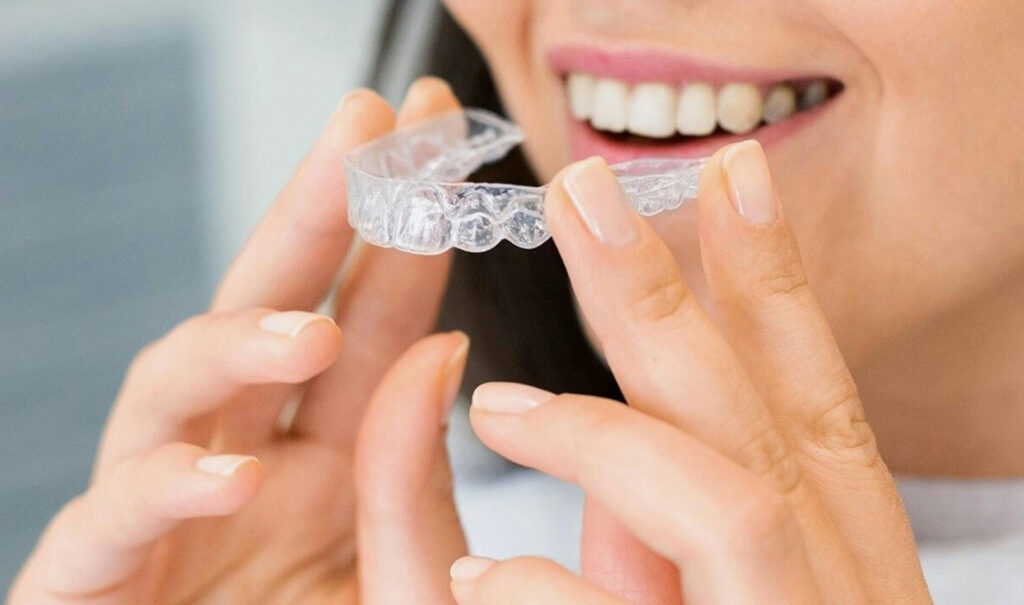
Invisalign aligners are made from transparent thermoplastic material. Clear plastics tend to show change quickly. Even a thin film of residue can make a tray look dull. Add dark beverages, colored spices, nicotine, or poor cleaning habits, and the shift becomes noticeable.
There is also a practical issue. Unlike a glass or ceramic surface, an aligner sits tightly around teeth and holds a moist environment close to enamel for 20 to 22 hours a day. If you put trays back in after coffee, after a sports drink, or after eating without brushing, pigments and sugars stay trapped between the plastic and the teeth. That does two things at once. It can discolor the tray, and it can also increase the chance of plaque accumulation on the teeth themselves.
Patients are often surprised that aligners can stain even when they are removed for meals. The reason is simple. Most of the trouble comes from what happens between meals and right after them. A quick sip of iced coffee with trays in place, a rushed rinse instead of brushing before reinserting them, or a habit of storing trays loosely in a napkin instead of cleaning them properly can all shorten the clear, clean look you want.
The biggest staining culprits in daily life
Not all stains are equal. Some build slowly, and some mark trays almost immediately. I have seen patients wear a brand new set of aligners to a long meeting with hot coffee and come back by afternoon wondering why the edges already look darker.
These are the most common sources of discoloration:
- Coffee and tea, especially when sipped slowly over long periods
- Red wine, cola, sports drinks, and deeply colored juices
- Tomato based sauces, curry, soy sauce, turmeric, and berries
- Tobacco and nicotine products, including vaping liquids that leave residue
- Plaque and tartar buildup from putting trays back in without brushing
Coffee deserves special mention because it causes two problems at once. The dark pigment can stain the aligner, and the heat can distort the plastic if the drink is hot enough. Even mild warping can change how snugly the tray fits. Tea can be just as problematic, particularly black tea, https://deanrgug110.readspirex.com/posts/can-invisalign-help-you-achieve-a-healthier-bite chai, and herbal blends with strong dyes. Patients tend to underestimate clear or lightly colored drinks, but many sports drinks and flavored waters contain acids and colorants that leave residue over time.
Food stains often work indirectly. You remove your aligners to eat a curry or pasta with red sauce, then rinse your mouth quickly and put the trays back in. If pigment remains on the teeth or along the gumline, the trays hold it there. That does not always create dramatic staining in one sitting, but repeated exposure adds up.
The habit that prevents most staining
If there is one rule that matters more than any other, it is this: do not eat or drink anything except plain water while wearing Invisalign aligners. Patients sometimes look for exceptions, but the cleaner answer is the better one. Water is safe. Everything else comes with some degree of risk, whether that risk is staining, odor, plaque retention, or tray distortion from heat.
This can feel inconvenient at first, particularly for people who graze, sip coffee through the morning, or rely on an afternoon energy drink. But in real life, this one change solves most appearance issues. It also simplifies your routine. Instead of trying to judge whether a beverage is light enough, cold enough, or low enough in sugar to be harmless, you remove the guesswork.
A patient once told me she had spent weeks trying to “cheat carefully” with iced lattes because she used a straw and thought the liquid mostly bypassed the trays. Her aligners still developed a faint yellow cast by the end of each cycle. Once she switched to drinking the latte during one set break, followed by brushing before reinsertion, the problem disappeared. The aligners were not reacting to one dramatic mistake. They were reacting to repeated, low level exposure.
Cleaning matters, but technique matters more
Many people say they clean their aligners, yet the trays still look cloudy or stained. Usually the issue is not neglect but method. Toothpaste is a common example. It seems logical because it cleans teeth, but many toothpastes are abrasive enough to scratch clear plastic. Those tiny scratches catch residue and make trays look dull, even if they are technically clean. Whitening toothpaste can be especially rough.
A better approach is gentler and more consistent. Rinse the trays every time you remove them. Do not let saliva dry on them for hours. Once residue hardens, it becomes much more difficult to remove cleanly. Brush them gently with a soft toothbrush and clear, mild soap, or use a cleaner designed for aligners if your orthodontic provider recommends one. Lukewarm water is important. Hot water can warp the tray, and cold water alone often does not lift film as effectively.
Soaking can help, especially if the trays are starting to develop a cloudy cast. The key is using an appropriate soak, not improvised solutions that may be too harsh or too weak. Some patients use denture cleaners successfully, while others do better with products made specifically for clear aligners. If you are unsure, your provider’s recommendation matters because different offices have different experience with what keeps trays clear without affecting the material.
What does not work well is the rushed “rinse and reinsert” cycle repeated all day. That pattern leaves protein film, plaque, and drink residue behind. Over time, it creates the yellowed look many people blame on the aligner material itself.
A daily routine that keeps trays clear
You do not need an elaborate system, but you do need a reliable one. The best routines are boring, fast, and easy to repeat even on busy days.
- Remove trays for all meals and all drinks except water
- Rinse the trays as soon as they come out
- Brush your teeth before putting them back in whenever possible
- Clean the trays gently at least morning and night
- Store them in their case, not in a napkin, pocket, or on a countertop
That third point matters more than many patients realize. If brushing is not possible, at minimum rinse your mouth well and rinse the trays before reinserting them. It is not perfect, but it is far better than trapping food debris and pigment under the plastic. If you make a habit of doing a proper brush as soon as you can, you reduce both staining and decay risk.
Storage is often overlooked. Trays left out on a sink or wrapped in tissue pick up bacteria, dust, and accidental contamination. They also dry out with saliva on them, which encourages mineral and protein deposits. A simple case prevents more problems than people expect.
Why your teeth can make the aligners look stained
Sometimes the trays are not the whole story. Teeth with plaque buildup, tartar near the gumline, or existing staining can make even a clean aligner look discolored. Since the tray fits directly over the tooth surface, whatever is on the tooth becomes more visible through the plastic.
This is one reason oral hygiene matters so much during Invisalign treatment. A patient may swear the tray itself is yellowing, but when you look closely, the plastic is relatively clear and the shadow is coming from unbrushed enamel or calculus around the lower front teeth. The fix in those cases is not stronger tray cleaner. It is improved brushing, flossing, and in some cases a professional cleaning.
If you are prone to tartar, the lower front teeth and upper molars tend to need extra attention. Those are areas where saliva ducts encourage mineral buildup, and once tartar forms, ordinary brushing will not remove it. The aligner then sits over that rough, stained surface day after day. The result can look like tray discoloration even when the plastic is not badly affected.
Heat, cloudiness, and the difference between stain and damage
Patients often use the word “stain” for any change in how the aligners look, but there are three different issues that can all make trays appear less clear.
The first is true pigment staining from coffee, tea, wine, spices, and similar substances. This changes the color of the plastic.
The second is surface film. Dried saliva, plaque, and cleaning product residue can leave trays cloudy or chalky. This sometimes improves dramatically with proper soaking and brushing.
The third is damage. Hot water, aggressive scrubbing, or abrasive toothpaste can roughen or slightly distort the surface. Damaged aligners may look permanently dull even after thorough cleaning.
Distinguishing among these matters because the solution changes. Pigment staining responds best to prevention. Film responds to better daily hygiene and periodic soaking. Damage usually cannot be undone, which is why prevention is so important there as well.
If you have ever cleaned your trays carefully and still felt they looked “off,” damage may be the reason. That is especially common in patients who boil water for cleaning, use strong whitening products, or scrub the plastic as if they are trying to remove a pan stain. Gentle care works better.
Special situations that catch people off guard
Travel is a major one. Routines break down in airports, weddings, conferences, and road trips. People snack more often, drink more coffee, and have fewer chances to brush properly. If you know you will be out for a long day, plan ahead. Carry your case, a toothbrush, floss, and if possible a small tube of travel toothpaste. The patients who maintain the best aligner appearance are usually the ones who reduce friction in advance.
Another common issue is social sipping. A single cup of coffee finished in 15 minutes with trays removed is easier to manage than a large iced coffee nursed for three hours while trays stay in. The same goes for wine at dinner parties or cocktails at events. Duration matters. Long exposure is often worse than one concentrated exposure followed by cleaning.
Morning routines also deserve attention. Some people put their aligners back in after breakfast and coffee with only a quick water rinse because they are running late. That one rushed habit, repeated daily, is enough to keep trays looking dingy throughout treatment. Tight schedules do not require perfect hygiene every minute, but they do reward smart shortcuts, such as drinking coffee with breakfast while the trays are already out, then brushing once before reinserting them.
What to do if your aligners are already stained
If your current set is only slightly discolored, you can often improve the appearance. Start with a proper cleaning: a soak in an approved aligner or denture cleaning solution, followed by gentle brushing with a soft toothbrush and lukewarm water. If there is persistent cloudiness, examine your routine honestly. Are you drinking anything but water with them in? Are you brushing before reinserting them? Are you using toothpaste on the trays?
If the staining is significant and you are due to switch trays soon, it may be more practical to focus on prevention with the next set rather than trying to restore the current one to perfect clarity. Most Invisalign patients wear each aligner for about one to two weeks, depending on the treatment plan. That short wear window is helpful. Even if one set ends up less than ideal, you get a clean restart fairly soon.
There are times when you should contact your provider. If the trays look warped, fit differently, smell persistently bad despite cleaning, or develop cracks, the problem is bigger than cosmetic staining. A poorly fitting aligner may affect tooth movement, and a damaged tray should not simply be “cleaned harder.”
Whitening products and stain prevention are not the same thing
There is a persistent idea that if a product whitens teeth, it must also keep aligners clear. That is not necessarily true. Whitening mouthwashes can contain dyes or ingredients that leave residue. Whitening toothpaste is often too abrasive for plastic. Homemade soaking mixtures circulate online constantly, but some are ineffective and others are unkind to the material.
The safer mindset is to separate tooth whitening from aligner maintenance. If you want brighter teeth during or after Invisalign treatment, discuss that with your dentist or orthodontist. But do not assume whitening products belong on the trays themselves. Aligners stay clearer when they are cleaned gently and consistently, not aggressively.
I have seen more trays dulled by enthusiastic overcleaning than by mild undercleaning. The patient notices a faint tint, panics, grabs a harsh paste or hot soak, and ends up with rougher plastic that stains even faster afterward. Calm, routine care works better than rescue chemistry.
A few signs your prevention routine is working
You should not have to guess whether your approach is effective. Clear signs show up within days. The trays should stay transparent enough that casual conversation does not draw attention to them. They should not carry a stale odor by the end of the day. They should feel smooth when you run a finger over them, not filmy or sticky. Most importantly, each new set should not seem dramatically clearer than the previous one after only a week of wear.
If every tray turns yellow halfway through its cycle, that pattern is telling you something. Usually the cause is one of three things: beverages with trays in, poor cleaning after meals, or abrasive cleaning that has roughened the plastic surface. Once you identify which one is happening, improvement tends to come quickly.
The long view during Invisalign treatment
Invisalign treatment can last months, and for some patients well over a year. Small habits matter because they repeat so often. A single coffee with trays in is not likely to ruin anything. A daily pattern of coffee with trays in, followed by no brushing before reinsertion, almost certainly will.
The patients who keep their aligners looking best are rarely doing anything fancy. They are consistent. They drink water with trays in and everything else with trays out. They clean the aligners before buildup hardens. They do not treat the plastic roughly. They pay attention to their own routines, especially the ones that happen when they are busy, tired, or away from home.
That is the practical heart of stain prevention. Clear aligners stay clear when they are protected from pigment, cleaned before residue sets, and paired with good oral hygiene. If you build those habits early, the trays are easier to wear, less noticeable in photos and meetings, and less likely to develop the dingy look that makes some patients self conscious halfway through treatment.
For most people, preventing staining with Invisalign is not about perfection. It is about a few dependable choices, repeated every day, until they become automatic. Once that happens, clear trays usually stay exactly what they are supposed to be: clear enough that nobody notices them at all.
Omni Dental Specialty
Address: 1690 E Gonzales Rd, Oxnard, CA 93036
Phone number: +18053666000
FAQ About Invisalign
How much does Invisalign actually cost?
The out-of-pocket cost for Invisalign typically ranges between $3,000 and $8,000, with most patients paying a national average of roughly $5,100 to $5,700 before insurance.
What is the downside to Invisalign?
The biggest downsides to Invisalign are the intense discipline required to wear the trays 22 hours a day, the inconvenience of removing them to eat or drink, and the inability to fix severe, complex orthodontic issues.
Is $5000 a lot for Invisalign?
No, $5,000 is not considered a lot for Invisalign; it is exactly the national average. Treatment costs typically fall between $3,000 and $8,000, and $5,000 is the standard fee for a moderately complex case that takes 6 to 18 months to complete.