Understanding Porcelain Dental Crowns in Oxnard CA
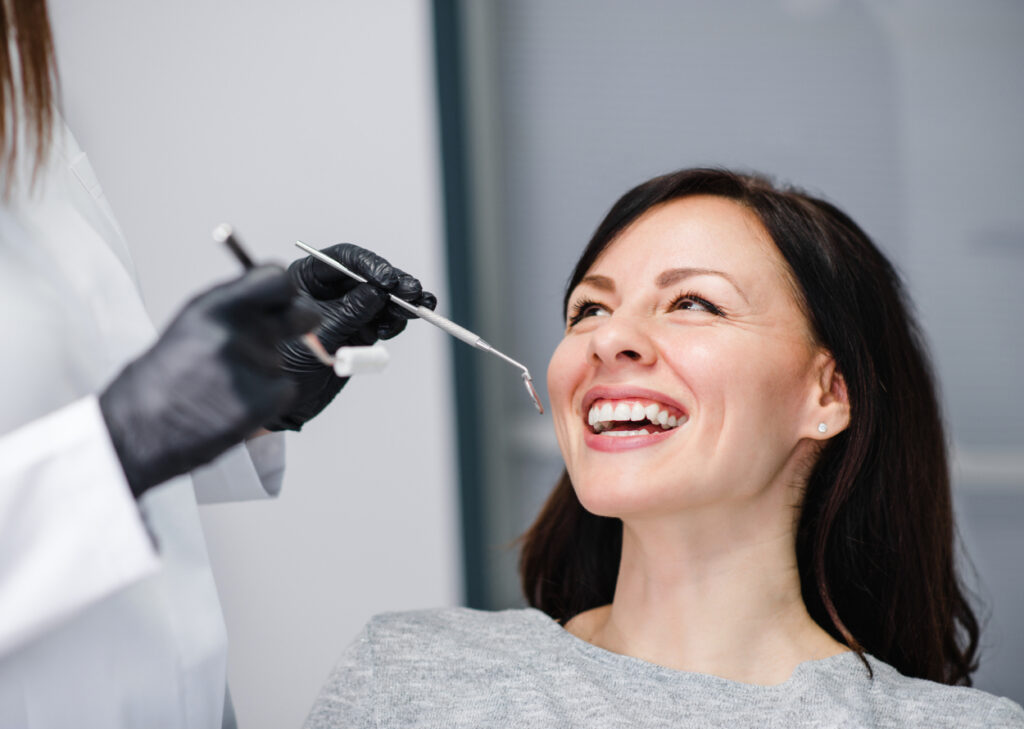
A porcelain crown sits over a damaged tooth like a carefully tailored cap. That simple description is accurate, but it misses what matters to patients. A good crown restores strength, protects a tooth that would otherwise keep breaking down, and brings back a smile that feels like your own. When people ask about Dental Crowns Oxnard CA, they are usually not asking for a definition. They want to know whether a crown will look natural, how long it will last, what the process feels like, and whether it is the right choice for their particular tooth.
Porcelain crowns are especially popular because they blend in well. In the front of the mouth, appearance matters immediately. In the back, people still want a restoration that feels smooth, stable, and clean. The material has improved significantly over the years, and modern porcelain options can be both attractive and durable when chosen carefully.
In a coastal community like Oxnard, where people spend plenty of time outdoors, in conversation, at work, and with family, dental concerns often come to the office with a practical edge. Patients are not usually chasing perfection. They want to chew without thinking about a crack, smile without noticing a dark filling line, and avoid the cycle of temporary fixes. That is where Dental Crowns often become part of the conversation.
What a porcelain crown actually does
A crown covers the visible portion of a tooth above the gumline. It is custom made to match the size, contour, and bite of the surrounding teeth. Once cemented in place, it functions as the new outer shell of that tooth.
That matters most when the natural tooth has been weakened. A deep cavity, a large old filling, a root canal, a fracture, or repeated chipping can all leave a tooth vulnerable. At that point, another filling may not be enough. Fillings replace missing areas, but they do not always protect the remaining tooth structure from flexing or splitting under pressure. A crown distributes force more evenly and can dramatically reduce the risk of further damage.
Patients are often surprised to learn that the need for a crown is not always about pain. Some teeth hurt, especially when a crack extends into sensitive layers. Others barely hurt at all and still need prompt treatment. A molar with a worn-down cusp or a front tooth with a large old bonding repair may feel manageable until one day a bigger piece breaks away. By then, treatment can become more complicated and more expensive.
Why porcelain appeals to so many patients
Porcelain remains a leading choice because it can mimic natural enamel exceptionally well. Light reflects differently off natural teeth than it does off metal or older opaque materials. A well-made porcelain crown captures translucency, contour, and color variation in a way that looks convincing in ordinary life, not just under bright dental lights.
For front teeth, that cosmetic advantage is obvious. But it matters in the premolar area as well, where teeth show when you laugh or speak. Many patients in Oxnard want restorations that disappear into the rest of the smile. They do not want a crown that looks flat, chalky, or darker at the gumline after a few years.
That said, porcelain is not one single material. Patients often hear the term used broadly, but several kinds of all-ceramic and porcelain-based crowns exist. Some are prized for beauty, some for strength, and some for balancing both. Your dentist may recommend a material like zirconia, layered porcelain, or another ceramic depending on where the tooth sits in the mouth, how hard you bite, whether you grind, and how much healthy tooth remains.
The best-looking crown is not always the best crown for every situation. A front tooth may call for the most lifelike translucency possible. A back molar in a heavy grinder may need a more robust ceramic, even if it sacrifices a little of that glasslike esthetic quality. Good treatment planning is often about judgment, not trend.
When a dentist may recommend a crown
There is no single rule that applies to every patient, but crowns commonly enter the picture when the tooth has lost too much structure to be predictably restored with a filling alone. In practice, several scenarios come up again and again:
- a tooth with a very large cavity or large existing filling
- a tooth that has had root canal treatment
- a cracked or fractured tooth that needs protection
- a badly worn tooth from grinding or clenching
- a misshapen or severely discolored tooth needing full coverage
The common thread is structural risk. A crown is usually less about “covering something up” and more about preventing a compromised tooth from failing in daily use.
One pattern dentists see often involves old silver or composite fillings in molars. Over time, the surrounding tooth can weaken, especially if the filling takes up more than half the width of the tooth. Patients may come in saying, “It only hurts when I chew nuts,” or “I bit on something and felt a sharp zing.” That can be the early sign of a crack. If addressed in time, a crown may save the tooth. If ignored, the crack may spread below the gumline, and the tooth may become non-restorable.
The consultation is where the real decision happens
Most crown decisions should not be made from a quick glance in the mirror or a rough estimate over the phone. A proper exam matters. The dentist will evaluate decay, fracture lines, existing restorations, bite pressure, gum health, and the condition of the root. X-rays help reveal what the eye cannot, especially decay under old fillings or infection around the tooth.
This is also when your priorities come into play. Some patients care most about appearance. Others are worried about durability because they clench at night. Some need a solution that works within insurance limitations or timing around work and family. A thoughtful dentist will weigh all of that before recommending the crown material and shape.
In Oxnard, it is common to see patients who put off care because the tooth was “not that bad yet.” Then a small issue becomes urgent right before a vacation, wedding, work presentation, or family event. Crowns can usually still help, but rushing restorative work is not ideal. Shade matching, gum tissue health, and bite refinement all tend to go better when there is a little breathing room.
What the crown process usually feels like
Most porcelain crowns are completed over two visits, although some practices offer same-day technology in selected cases. The details vary, but the general experience is straightforward.
At the first appointment, the tooth is numbed and shaped so the crown can fit securely over it. If decay is present, it is removed first. If part of the tooth is missing, the dentist may rebuild the core before shaping the tooth for the crown. An impression or digital scan is then taken, and a temporary crown is placed to protect the tooth while the final crown is made.
Patients often ask whether the tooth is “shaved down a lot.” Sometimes yes, but the extent depends on the damage already present and the material being used. The goal is not aggressive reduction for its own sake. The goal is enough space for a strong, natural-looking crown while preserving as much healthy tooth as possible.
The temporary crown deserves more respect than it gets. It is not meant to last long, but it plays an important role. It protects sensitivity, helps maintain spacing, and gives a preview of shape and function. If a temporary feels bulky, loose, or high when you bite, it is worth calling the office. Small adjustments can make the waiting period far more comfortable.
At the second appointment, the temporary is removed and the final porcelain crown is tried in. The dentist checks the fit at the margins, the contact with neighboring teeth, the color, and the bite. Once everything is confirmed, the crown is cemented into place.
For many patients, the most noticeable moment is not the cementation itself but the first few bites afterward. A well-made crown should feel natural quickly, but minor bite adjustments are sometimes needed. If the bite feels “off,” do not assume it will always settle on its own. High spots can cause soreness, jaw tension, or sensitivity and are usually easy to fine-tune.
Same-day crowns versus lab-made crowns
This question comes up often, especially for busy patients. Same-day systems can be excellent in the right hands and for the right case. They save time, avoid a temporary crown, and appeal to anyone who wants treatment completed in a single visit.
Lab-made crowns still have advantages in certain situations. A skilled dental laboratory technician can create nuanced esthetics, layered characterization, and precise anatomy that may be especially valuable for front teeth or complex bite cases. Some dentists prefer a trusted lab for challenging cosmetic work because the collaboration leads to a more refined result.
Neither option is automatically better. The better question is whether the method suits the tooth, the material, and the esthetic demand of the case.
How long porcelain crowns last
A well-made porcelain crown can last many years. In real practice, longevity depends on several factors: the material used, how much healthy tooth supports it, the quality of the fit, oral hygiene, diet, and whether the patient grinds or clenches.
It is reasonable to think in terms of a decade or longer for many crowns, but that is a general frame, not a promise. Some last far beyond that. Others fail earlier because decay forms at the margin, the cement seal breaks down, the underlying tooth fractures, or the crown chips under heavy stress.
One of the more frustrating misunderstandings is the belief that a crowned tooth no longer needs the same level of care. It absolutely does. The crown itself cannot decay, but the tooth underneath still can, especially where the crown meets the natural tooth near the gumline. Patients who brush well but skip flossing often miss exactly the area that matters most for crown longevity.
Porcelain crowns and appearance, what makes one look natural
People often focus on color, but shade is only part of the picture. A natural crown depends on shape, surface texture, translucency, and how it relates to the gumline and neighboring teeth. A crown that is the “right color” can still look artificial if it is too square, too smooth, too bright, or too bulky.
Front teeth are particularly demanding. Even tiny differences in length or angle can stand out. A central incisor crown that is half a millimeter too long may feel and look conspicuous to the patient, even if no one else can identify why. That is not vanity. Our eyes are remarkably sensitive to asymmetry in the smile.
Good dentists and good labs pay attention to these subtleties. Sometimes that includes photos, shade mapping, or trying in a restoration before final cementation. If you are replacing a very visible tooth, it is wise to discuss your esthetic expectations in detail before treatment begins. Bringing up concerns afterward is still possible, but planning ahead gives everyone a better chance at an excellent result.
Cost, insurance, and the real value question
Cost matters. Crowns are more involved than fillings, and the fee reflects the clinical time, materials, lab fabrication, and precision required. In Oxnard, as in most markets, fees vary depending on the practice, the material selected, and whether additional treatment is needed, such as a buildup, root canal, or gum work.
Insurance may cover part of the cost if the crown is considered medically necessary, but benefits vary widely. Some plans downgrade reimbursement based on material type. Others have waiting periods, annual maximums, or exclusions for teeth restored recently. Patients are often surprised that “covered” does not mean fully paid for.
The real value question is whether the crown helps preserve a tooth that would otherwise become a recurring problem or be lost altogether. There are cases where a filling is the smarter, more conservative choice. There are also cases where trying to save money by avoiding a crown leads to repeated repairs, more breakage, and eventually a larger bill with fewer options. A dentist with good judgment should be able to explain why a crown is, or is not, worth it for your specific tooth.
Recovery and the first few days after placement
Most patients return to normal activity immediately after getting a crown, though numbness may linger for a few hours. Mild sensitivity to temperature or pressure can happen for a short time, especially if the tooth had deep decay or a recent crack. That sensitivity usually settles.
If the tooth feels tender when biting, that can be a sign the bite needs adjustment. If the gums feel slightly irritated around a new crown, they often calm down with gentle brushing and flossing. Sharp, persistent pain is different and should be evaluated. While occasional post-treatment sensitivity is expected, ongoing pain is not something to ignore.
A practical point https://jaredaiuo319.trexgame.net/dental-crowns-oxnard-ca-solutions-for-decayed-teeth many patients appreciate hearing in advance is that new crowns can feel “different” before they feel “normal.” Your tongue is an unforgiving quality inspector. It notices changes in contour that your eyes would miss. Assuming the fit and bite are correct, that awareness usually fades within days to a couple of weeks.
Caring for a porcelain crown
The best crown is still only as healthy as the environment around it. Daily care does not need to be complicated, but it does need to be consistent.
- brush thoroughly along the gumline twice a day
- floss around the crown every day, especially at the margin
- avoid using teeth to open packages or crack hard items
- consider a night guard if you clench or grind
- keep regular exams and cleanings so small issues are caught early
That last point matters more than people think. A crown can look fine to the patient while hidden decay starts at the edge or cement begins to fail. Routine checkups are where those problems are often found early enough to fix conservatively.
Situations where porcelain may not be the perfect choice
Porcelain crowns are excellent in many cases, but not every case. A patient with intense grinding and repeated ceramic fractures may do better with a tougher material choice in specific areas. A tooth with very little remaining structure might need additional support before a crown is viable. A badly infected tooth may need root canal treatment first, or may not be saveable at all.
There are also cosmetic edge cases. If adjacent teeth have extensive staining, wear, or unusual translucency, matching a single porcelain crown can be challenging. The crown may be beautifully made and still not disappear perfectly if the neighboring teeth are highly irregular. In those moments, honest communication matters more than salesmanship.
Occasionally, a patient asks for a crown when a less invasive treatment would do. If a tooth is structurally sound and the concern is only small chips or modest discoloration, bonding or veneers may be more conservative choices. Crowns are valuable, but they do require more reduction of the natural tooth than simpler procedures.
Questions worth asking before you commit
A useful dental conversation goes beyond “How much does it cost?” Patients usually feel more confident when they understand the reason behind the recommendation and the trade-offs involved. Ask what material is being proposed and why. Ask whether the tooth has a crack, whether a filling could still work, and how the bite or grinding habits might affect longevity. If appearance matters a great deal, ask how shade matching and shape will be handled.
When patients ask thoughtful questions, treatment tends to go better because expectations are clearer on both sides. Dentistry is part science, part engineering, and part craftsmanship. Crowns succeed best when everyone is working from the same picture of what success looks like.
Why local context matters in Oxnard
Searching for Dental Crowns Oxnard CA often starts online, but the decision becomes local very quickly. You want a dentist who understands not only restorative technique but also the practical realities of your community, schedule, and priorities. Some patients need appointments arranged around agricultural work, school runs, commuting, or seasonal demands. Others are looking for a long-term dental home where future maintenance is part of the plan, not an afterthought.
Oxnard also has a diverse patient base with different expectations, budgets, and dental histories. Some people grew up with regular care and come in early when something chips. Others have had years of patchwork treatment and are trying to stabilize several teeth at once. A good restorative dentist adjusts the plan to that reality. Sometimes the best crown decision is to start with the tooth most at risk and phase care over time.
That sort of treatment planning rarely shows up in a simple advertisement for Dental Crowns, but it is often the difference between care that looks good for a month and care that holds up for years.
The bigger picture, saving the tooth you already have
There is a quiet advantage to crowns that does not get enough attention. They often help people keep their own teeth longer. That may sound obvious, yet it is easy to lose sight of when comparing line items on a treatment estimate. Preserving a tooth, when it can be done predictably, usually keeps chewing more natural and future treatment simpler.
A crown is not magic. It does not make a damaged tooth brand new. What it can do, when chosen for the right reason and made well, is give a vulnerable tooth a second useful life. For many patients, that means years of comfortable function and a smile that feels unchanged in the best possible way.
If you are weighing whether a porcelain crown makes sense, the most useful next step is not to search for the most generic answer. It is to have the tooth evaluated carefully, discuss the material options honestly, and choose a treatment plan based on strength, esthetics, and the long view. That is the real path to making Dental Crowns Oxnard CA worth the investment.
Oxnard Dentistry
Address: 1730 E Gonzales Rd, Oxnard, CA 93036
Phone number: +18056049999
FAQ About Dental Crowns Oxnard CA
How long do crowns last on teeth?
Dental crowns typically last 10 to 15 years, but can last 20 to 30 years with excellent oral hygiene. Lifespan depends heavily on the crown material, your daily brushing and flossing habits, and whether you clench or grind your teeth.
What is the downside of crowns on teeth?
The primary downside of dental crowns is that the preparation process is irreversible. To properly fit a crown, a dentist must permanently shave down a significant portion of your natural tooth enamel. This exposes the tooth to potential risks like nerve inflammation, increased sensitivity, and structural weakening.
Why do dentists push for crowns?
Dentists often recommend crowns to save a structurally compromised tooth. If a tooth is heavily cracked, worn down, or has a cavity too large for a filling, a filling will not provide enough structural support, causing the tooth to eventually split. Crowns act like protective helmets, preventing tooth loss.