Weekend Dental Crisis? Why an Emergency Dentist Matters
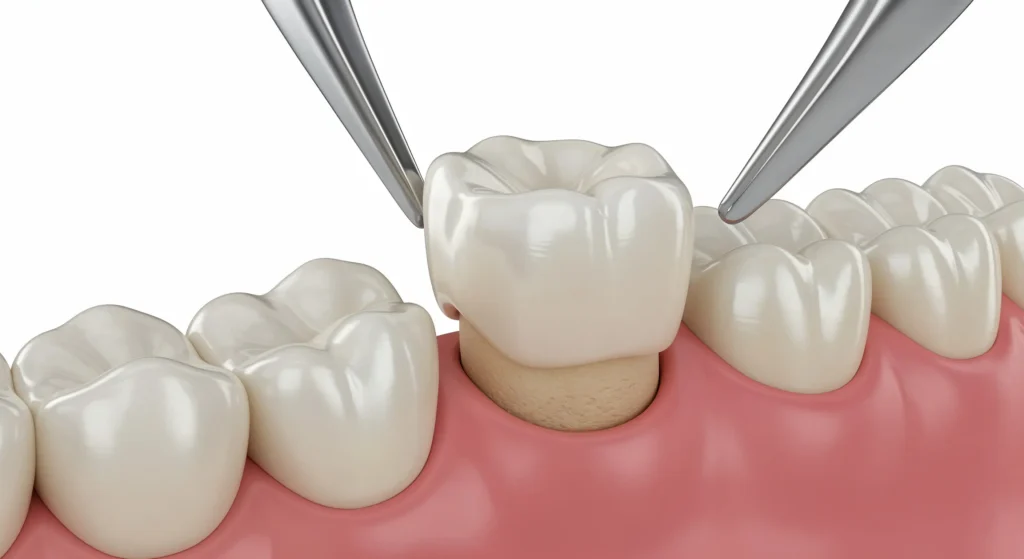

A dental problem rarely arrives at a convenient hour. It tends to show up late on a Friday, halfway through a family dinner on Saturday, or just after your regular clinic closes for the weekend. One minute you are living with a mild annoyance, the next you are holding your jaw, searching online, and trying to decide whether the pain can wait until Monday.
That decision matters more than many people realize. Dental emergencies are not only about discomfort. They can involve infection, bleeding, trauma, swelling, and damage that becomes harder, more expensive, and more complicated to treat if ignored. A skilled Emergency Dentist fills the gap between routine care and a full hospital visit, giving patients access to urgent treatment when timing can change the outcome.
People often underestimate how quickly a tooth problem can escalate. A cracked molar can become an exposed nerve. A lost filling can turn into intense pain after one cold drink. A minor gum infection can spread, especially if swelling begins to affect the face, jaw, or ability to swallow. Weekend care exists for a reason, and when it is done well, it protects more than a smile. It protects health, function, and peace of mind.
Why dental emergencies feel worse on weekends
Pain always feels sharper when options seem limited. During the workweek, most people know who to call. There is a regular dentist, an office phone number, and a sense that help is available. On weekends, that structure disappears. Patients start guessing. Is this serious enough? Should I wait? Is the emergency room the right place? Will anyone even be open?
The uncertainty adds stress to a problem that is already physically draining. Dental pain has a way of taking over. It can interfere with sleep, eating, speaking, and concentration within hours. If the issue involves visible trauma, such as a broken front tooth or facial swelling, the emotional distress rises even further. Parents dealing with a child’s tooth injury on a Sunday afternoon know this feeling well. So do adults who wake up with throbbing pain and realize they still have another 36 hours before most practices reopen.
An Emergency Dentist matters because the weekend changes the practical reality of care. There is less room for delay, less access to routine appointments, and often more pressure to make fast decisions. The right clinician can assess whether the issue is truly urgent, relieve pain, stabilize the tooth or surrounding tissue, and prevent a manageable problem from becoming a severe one.
What actually counts as a dental emergency
Not every dental problem needs same-day treatment, but many situations do deserve prompt attention. The line is not always obvious to patients, especially when symptoms start mildly. In practice, emergencies are defined less by inconvenience and more by risk: risk of infection, risk of permanent damage, risk of uncontrolled bleeding, or pain severe enough to disrupt normal function.
A knocked-out permanent tooth is a true time-sensitive emergency. If it is handled properly and treated quickly, sometimes within 30 minutes to an hour, the chances of saving it improve. Severe toothache with swelling is another urgent concern, especially if the swelling spreads into the cheek, jawline, or under the eye. Bleeding after an extraction that does not slow down can also require immediate care. A cracked tooth that exposes the inner tissue may not look dramatic from the outside, yet it can be intensely painful and vulnerable to infection.
There are also gray-zone problems that should not be brushed off. A crown that falls off on a weekend may not seem serious at first, but if the underlying tooth is weak or already treated, leaving it unprotected for two days can lead to fracture or nerve irritation. A broken denture before a major event is not life-threatening, but it may still require urgent professional help if eating or speaking becomes difficult. Emergency care is not only about life-and-death situations. It is also about preserving function and limiting damage.
The difference between an emergency dentist and an emergency room
This distinction is one of the most common points of confusion. Hospital emergency departments play an essential role, especially if a dental injury is tied to facial trauma, a suspected broken jaw, trouble breathing, heavy uncontrolled bleeding, or signs of a spreading infection that affect swallowing or airway safety. In those situations, the hospital is the right place.
But for many urgent dental problems, the emergency room can do only part of the job. A hospital physician may help manage pain, prescribe antibiotics if infection is suspected, or rule out major trauma. What they often cannot do is perform definitive dental treatment such as root canal access, tooth stabilization, drainage of a localized dental abscess in a dental setting, recementing a crown, or repairing a fractured tooth. That means patients may leave with temporary relief but still need to find a dentist as soon as possible.
An Emergency Dentist is equipped for the source of the problem. They can examine the tooth, take dental imaging if available, test the nerve, evaluate the bite, and provide treatment aimed at saving the tooth or controlling the condition. In practical terms, that often means faster relief and fewer steps. Instead of spending the weekend managing symptoms and waiting, the patient starts actual treatment sooner.
Pain is not the only issue
People usually call because something hurts, but pain is only one part of the picture. Some of the most urgent cases are not the most painful ones. Trauma can create hidden damage. Infection can smolder before becoming acutely severe. A person may even feel little pain if the nerve of a badly damaged tooth has already died, yet the surrounding tissues may still be at risk.
I https://maps.app.goo.gl/LyyJttsiUMY7VSfU7 have seen situations where someone delayed care because the discomfort improved after a day or two. They assumed the problem was resolving. Instead, the nerve had stopped signaling, while infection continued deeper in the root or bone. By the time swelling appeared, the treatment options had narrowed. What could have been a straightforward repair sometimes became an extraction, a surgical procedure, or a longer recovery.
That is one reason weekend access matters. Pain can trick people into thinking they understand the severity of a condition. A professional assessment cuts through that guesswork. Even when definitive treatment needs a follow-up visit, the initial emergency appointment often changes the path of the case by identifying the cause early and preventing further deterioration.
Common weekend emergencies and what they usually involve
A weekend emergency practice tends to see a predictable mix of problems. Toothaches are high on the list, often caused by deep decay, infection, cracked teeth, or failed old fillings. Broken teeth are common too, particularly molars that fracture while chewing on something ordinary like bread with a hard seed, a popcorn kernel, or a nut. Sports injuries bring in chipped or displaced front teeth, especially in children and teenagers. Lost crowns, broken dentures, swollen gums, and post-extraction complications also appear regularly.
Each of these scenarios carries different priorities. A fractured front tooth may demand immediate attention for cosmetic and structural reasons, particularly if the tooth is sensitive to air or cold. A back tooth with severe throbbing pain may indicate inflammation or infection in the pulp, requiring urgent diagnosis and possibly temporary or definitive treatment. Swelling near the gumline may be localized and manageable, or it may signal a more serious infection that needs rapid intervention.
The value of an Emergency Dentist lies in this ability to sort urgency from alarm, and to match treatment to the specific problem rather than applying a one-size-fits-all response.
What happens during an emergency dental visit
Patients often imagine an emergency appointment as rushed and chaotic. In good practices, it is neither. The pace may be faster than a routine checkup, but the decision-making is focused. The first goal is to identify the source of the issue. Not every toothache is caused by the tooth that seems to hurt. Pain can radiate. A cracked molar may present as upper jaw pain. Sinus pressure can mimic dental sensitivity. A clinician must sort through symptoms carefully.
After discussing the history, the dentist will usually examine the area, check for swelling, mobility, fractures, or bite changes, and use imaging when indicated. They may perform simple tests, such as tapping on the tooth or checking its response to temperature. These details matter. A hairline crack can behave very differently from deep decay, even if the pain sounds similar on the phone.
Treatment at that visit depends on findings. In some cases, the dentist can place a temporary restoration, smooth a sharp broken edge, drain a localized infection where appropriate, reattach or stabilize a tooth, prescribe medication, or begin a procedure to relieve pressure inside the tooth. In other cases, the priority is to control pain, reduce immediate risk, and arrange definitive care within a short timeframe. Emergency dentistry is not always about finishing everything at once. Often, it is about making the problem safe, manageable, and less likely to worsen.
Timing can save a tooth
This is where emergency care earns its reputation. There are situations in dentistry where hours matter. A knocked-out permanent tooth is the clearest example. If the tooth is kept moist and reimplanted quickly, there is a much better chance of preserving it. Delay lowers that chance sharply. The same principle applies, in a less dramatic way, to many other problems.
A cracked tooth may be salvageable if it is protected before the fracture extends below the gumline. An infected tooth may be restorable if treated before bone loss progresses or swelling spreads. A dislodged crown can often be recemented if the underlying tooth remains intact and clean. Wait too long, and what might have been a relatively conservative intervention can turn into a much larger project.
Cost often follows the same pattern. Patients sometimes postpone care to avoid an emergency fee, only to face more extensive treatment later. That does not mean every urgent appointment is inexpensive, because emergency care can involve diagnostics, procedures, and medications. It does mean that delay carries its own price, both medically and financially.
When waiting until Monday is risky
Some symptoms should push a patient to seek prompt help rather than monitor at home. The most serious warning signs include rapidly increasing swelling, fever combined with dental pain, difficulty opening the mouth, trouble swallowing, foul drainage from the gum, uncontrolled bleeding, or trauma that changes the way the teeth fit together. Those signs suggest more than routine irritation.
A smaller set of situations deserves quick action because the treatment window is narrow. A knocked-out permanent tooth, a loosened tooth after trauma, or a newly broken tooth with visible pink or red tissue are examples. Severe pain that does not respond to standard over-the-counter medication also needs evaluation, particularly if it keeps someone from sleeping or eating.
Here is a simple guide many emergency practices would consider reasonable:
- Seek immediate care for facial swelling, uncontrolled bleeding, trauma with a loose or knocked-out permanent tooth, or pain so severe it prevents normal function.
- Contact an Emergency Dentist the same day for a cracked tooth, a lost crown with significant sensitivity, a broken filling causing sharp pain, or signs of localized infection.
- Monitor closely and arrange prompt routine care for minor chips without pain, mild sensitivity, or a small lost filling that is not causing symptoms.
- Go to a hospital emergency department if breathing, swallowing, or jaw function is affected, or if there has been significant facial injury.
The point is not to frighten people. It is to replace uncertainty with judgment. Weekend delays are most dangerous when patients minimize a symptom that deserves faster attention.
What you can do at home before you are seen
The period between the onset of a dental emergency and the appointment can feel very long, even when it is only a few hours. Home care does have a role, but it should support professional treatment, not replace it.
Rinsing gently with warm salt water can help soothe irritated tissue and keep the mouth cleaner. A cold compress on the outside of the face may reduce swelling after trauma or in certain inflammatory situations. Over-the-counter pain relief may help if the person can safely take it according to the label and any medical advice they have already received. If a tooth has been knocked out, handling it only by the crown and keeping it moist in milk or saliva can improve outcomes while heading to the dentist.
There are also things patients should avoid. Aspirin should not be placed directly on gums or teeth, despite the old home-remedy myth. It can burn soft tissue. Sharp or sticky foods can worsen a fracture. Trying to glue a crown back with household adhesive creates new problems. Heat on the face can increase swelling in some infections.
A practical short list is helpful here:
- Use a cold compress outside the cheek for swelling or trauma.
- Rinse with warm salt water, unless instructed otherwise after a procedure.
- Keep a knocked-out tooth moist and bring it to the appointment immediately.
- Avoid chewing on the affected side.
- Do not place household materials, glue, or aspirin directly on the tooth or gum.
These steps do not solve the underlying issue, but they can prevent accidental harm while the patient gets to the right office.
Emergency care for children needs a different touch
Children present a special challenge in weekend dental crises because the injury or pain affects the whole family at once. A child with a broken front tooth after a playground fall may be frightened, crying, and unable to explain what happened clearly. Parents often do not know whether the tooth is baby or permanent, whether it can be saved, or whether they should be rushing to a dentist or a hospital.
A calm Emergency Dentist can make a tremendous difference here, not just clinically but emotionally. Pediatric emergencies require more than technical skill. They require communication, patience, and judgment. A primary tooth that is knocked out is handled differently from a permanent tooth. Reimplanting a baby tooth is generally not advised because of the risk to the developing permanent tooth underneath. A permanent tooth, however, may need urgent repositioning or stabilization.
Weekend access is especially important for children because trauma often happens during play, sports, and family activities, which peak outside school hours. Prompt assessment can preserve tooth development, reduce the chance of infection, and help families understand the next steps without spending an anxious weekend in limbo.
The emotional side of a dental emergency
There is a practical clinical side to all of this, but there is also a human side that should not be ignored. Dental emergencies are unsettling in a unique way. The mouth is central to eating, speaking, appearance, and daily comfort. When something goes wrong suddenly, people can feel vulnerable fast.
For some, the stress comes from appearance. A chipped or displaced front tooth before a wedding, business trip, or school event can feel devastating. For others, the fear is tied to pain, especially if they have had difficult dental experiences in the past. Many people call emergency services already embarrassed, worried they somehow caused the problem by neglect or bad luck.
A good emergency dentist understands that part of the job is reassurance grounded in honesty. Not every tooth can be saved. Not every repair can be made invisible in one visit. But most emergencies can be stabilized, and many can be treated more conservatively than patients fear. Knowing that someone competent is available over the weekend changes the entire experience.
Why access matters even if you already have a regular dentist
Some patients assume emergency dentistry is only for people without a usual provider. In reality, even patients with excellent routine care may need urgent attention when their own office is closed. Teeth do not respect schedules. Existing restorations fail. Accidents happen. Infections flare unexpectedly. Orthodontic wires break. Wisdom teeth can cause acute problems after months of silence.
An Emergency Dentist does not replace your regular dentist. Ideally, they work as part of the broader ecosystem of care. They address the urgent need, document findings, provide immediate treatment, and help transition the patient back to their primary dental office for follow-up when appropriate. That continuity is important. Emergency dentistry works best when it solves the crisis and supports longer-term care rather than functioning in isolation.
Patients who value prevention sometimes feel frustrated when they end up needing emergency treatment anyway. The truth is that even well-maintained mouths are not immune to accidents, fractures, or sudden pulp inflammation. Good routine care lowers risk, but it cannot eliminate it.
Choosing the right place when every minute feels urgent
When searching for weekend dental help, speed is important, but so is judgment. Not every office advertising urgent care offers the same scope of treatment. Some can provide full diagnostic and restorative services. Others are better suited to evaluation and temporary relief. Patients do not need to become experts while in pain, but asking a few practical questions can help: Are same-day appointments available? Do they handle trauma, swelling, and severe toothache? Can they take dental X-rays? What if the case requires referral?
Even the phone conversation can tell you a lot. A strong emergency team asks focused questions, gives clear next-step advice, and tells patients when symptoms are serious enough for hospital care instead. That honesty matters. The best emergency providers know the limits of outpatient dentistry and act quickly when a medical setting is safer.
The real value of not waiting
The phrase “wait and see” has its place in healthcare, but weekend dental pain often punishes that strategy. Sometimes the patient gets lucky and the issue stays stable. Often, it does not. What begins as a manageable problem can become a sleepless night, a swollen face, a lost tooth, or a more invasive treatment plan.
An Emergency Dentist matters because urgent dental problems are rarely just about pain control. They are about preserving options. The sooner a clinician can evaluate the tooth, the surrounding tissue, and the patient’s overall condition, the better the odds of protecting both health and function. That is true on a Tuesday morning, and even more true on a Sunday afternoon when uncertainty is high and regular offices are dark.
Weekend care is not a luxury service for the overly cautious. It is a practical safeguard for moments when timing changes everything. If a dental crisis strikes outside business hours, getting the right help quickly can mean the difference between a temporary setback and a lasting problem.
Simple Dental Vermont
Address: 8914 S Vermont Ave, Los Angeles, CA 90044
Phone number: +13239493000
FAQ About Emergency Dentist Los Angeles CA
What can the ER do for a tooth?
The emergency room can provide temporary symptom relief for a bad tooth, such as prescribing pain medicine or antibiotics, but it cannot fix the actual dental problem.
What is the 3-3-3 rule for tooth infection?
The 3-3-3 rule for a toothache or infection typically means taking three 200 mg ibuprofen tablets (600 mg total) three times a day for no more than three days to control pain and swelling while waiting to see a dentist.
What do you do if you have a dental emergency but no dentist?
If you have a dental emergency and no regular dentist, you should search for an urgent care dental clinic, call local walk-in dental offices, or go to a hospital emergency room if you have severe bleeding, swelling, or trouble breathing.